Second Home Buyers Palm Beach County: Complete Guide
Second home buyers Palm Beach County need local insight on neighborhoods, costs, and rules. Explore our guide and contact SoFlo Group for expert help.
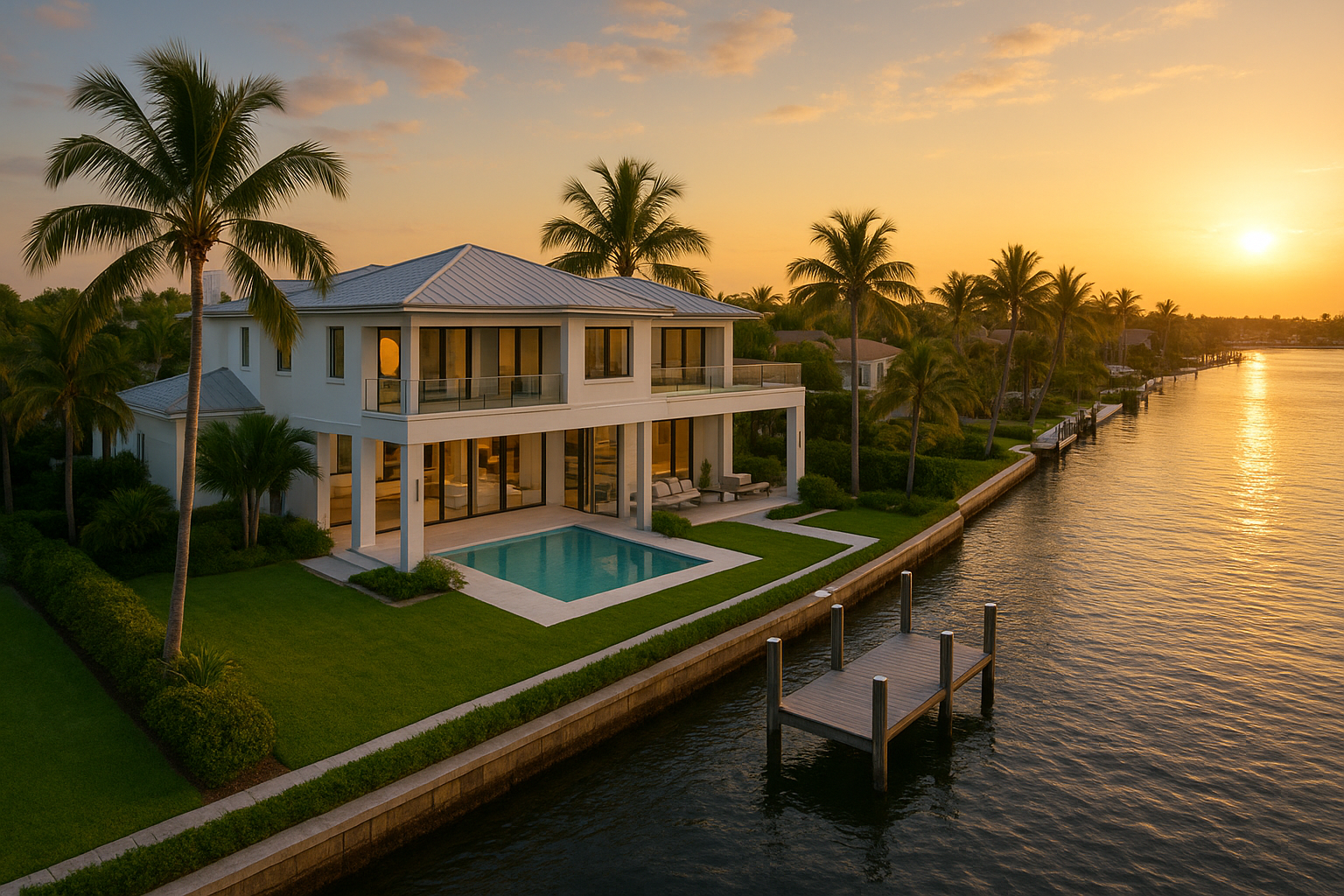
Second home buyers Palm Beach County are discovering that this stretch of South Florida offers far more than sunshine and ocean views. From Jupiter's quiet beach towns to the social energy of Palm Beach itself, the county has become one of the most sought-after destinations for a vacation residence or a future retirement base. However, before writing an offer, buyers need a clear picture of local pricing, financing rules, insurance costs, and community restrictions. In particular, this guide from SoFlo Group at COMPASS covers every step of the process, including how to coordinate a sale and purchase at the same time, so you can buy with confidence.
Quick answer: Second home buyers Palm Beach County are individuals or families purchasing a vacation, seasonal, or future retirement property rather than a full-time residence in this part of South Florida. They should budget for higher down payments, separate flood or windstorm insurance, HOA rules that differ from a primary-home purchase, and — for many — a plan to coordinate selling their current home with buying the new one.
What Is a Second Home in Palm Beach County?
A second home in Palm Beach County is a residential property bought mainly for personal use rather than as a full-time primary residence or a pure rental investment. Typically, it is a vacation condo, townhome, or single-family house that an owner visits seasonally, occasionally rents out, or plans to eventually use as a retirement home.
That said, lenders and insurers treat second homes differently than primary residences. For example, mortgage requirements usually call for a larger down payment, and property tax treatment differs because Florida's homestead exemption applies only to a primary residence, not a vacation property. As a result, second home buyers Palm Beach County need to budget for these added costs from the start of their search rather than discovering them mid-contract.
Second Home vs. Primary Residence vs. Investment Property
Understanding the distinction matters because it affects your mortgage rate, your tax exposure, and even your insurance underwriting. A primary residence is where you live most of the year and can qualify for Florida's homestead exemption. A second home is used personally but not year-round, and lenders generally require at least 10% down. An investment property, by contrast, is bought mainly to generate rental income, and lenders typically demand even larger down payments — often 20% to 25% — along with stricter reserve requirements. Consequently, telling your lender exactly how you intend to use the property is essential, since misclassifying it can create problems during underwriting or even after closing.
Why Second Home Buyers Palm Beach County Are Drawn to This Market
Palm Beach County, located along South Florida's Atlantic coast, combines year-round warm weather with no state income tax, which has long attracted part-time residents from the Northeast and beyond. In addition, the area offers everything from quiet beach towns to vibrant social scenes, so buyers can match a community to their lifestyle instead of settling for a generic vacation spot.
According to the National Association of Realtors, Florida has consistently ranked among the top destination states for vacation-home purchases, driven partly by limited coastal land supply and strong seasonal demand. Consequently, well-located second homes in this county have tended to hold value better than inland alternatives, which is a key reason so many buyers treat the purchase as both a lifestyle upgrade and a long-term asset.
Waterfront properties remain a top choice among second home buyers Palm Beach County.
Best Palm Beach County Areas for a Second Home
Not every town in the county offers the same experience. Delray Beach appeals to buyers who want walkable downtown dining near the water, while Jupiter attracts those seeking a quieter, family-oriented pace with excellent marinas. Palm Beach Gardens, meanwhile, suits golf enthusiasts, and Singer Island offers condo living with direct beach access. Below is a quick side-by-side comparison to help narrow your search.
| Area | Best For | Typical Property Type |
|---|---|---|
| Delray Beach | Walkable nightlife & dining | Townhomes, condos |
| Jupiter | Boating & quiet family life | Single-family homes |
| Palm Beach Gardens | Golf & gated communities | Single-family, villas |
| Singer Island | Beachfront condo living | High-rise condos |
| Boca Raton | Upscale shopping & schools | Single-family, condos |
For buyers comparing property styles rather than towns, our ranch homes buyer's guide breaks down single-story options that work well for retirees and second-home owners who prefer easier accessibility. Similarly, our 2026 Palm Beach County housing market trends overview can help you time your search around local inventory shifts.
Costs and Financing for a Second Home Purchase
Financing a second home typically requires a larger down payment than a primary-residence loan, often in the 10% to 20% range or higher. In particular, lenders scrutinize debt-to-income ratios more closely and may require larger cash reserves after closing — sometimes six months of mortgage payments or more, held in addition to your down payment.
Beyond the mortgage itself, buyers should budget for property taxes, homeowners or condo insurance, HOA dues, and, in many coastal areas, separate flood and windstorm policies. Specifically, conventional loans remain the most common financing route for second homes, though jumbo loans are frequently needed for waterfront or luxury purchases above conforming loan limits. For a deeper look at inspection and closing considerations, review our due diligence guide for Palm Beach County homes. The IRS also outlines how vacation and second-home rental income is taxed, which is worth reviewing if occasional renting is part of your plan.
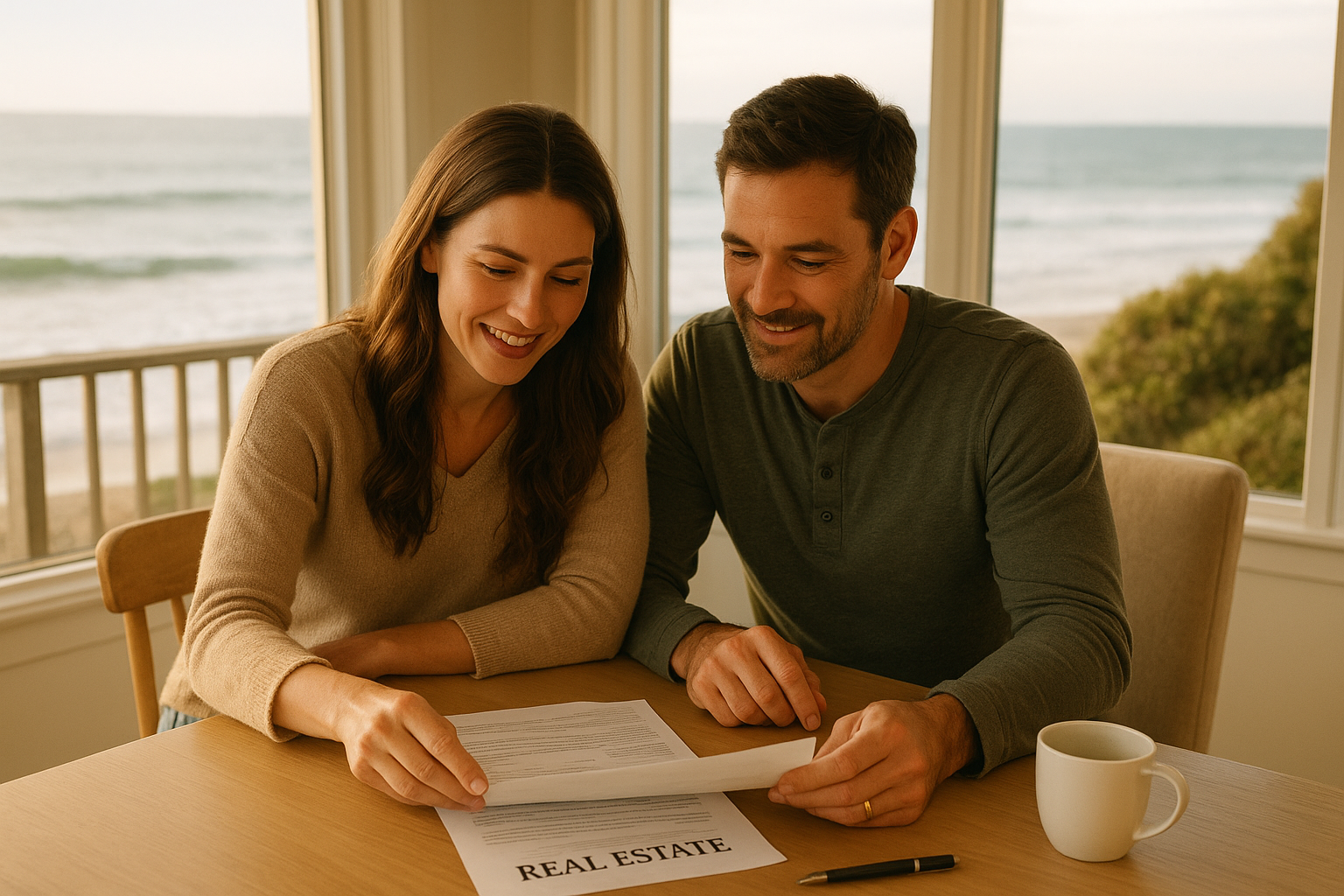
Reviewing financing and association documents carefully helps second home buyers avoid surprises at closing.
Coordinating a Simultaneous Home Sale When Buying a Second Home
Many second home buyers Palm Beach County still own a primary residence elsewhere and need its sale to help fund the new purchase. In this situation, timing becomes the biggest challenge. Therefore, it helps to understand the three main ways buyers coordinate a simultaneous buy-and-sell transaction in this market.
Contingent offers let you make an offer on the second home conditional on selling your current property first. This protects you financially, although sellers in competitive Palm Beach County markets may hesitate to accept a contingent offer over a non-contingent one. Bridge loans are short-term financing that use the equity in your existing home to cover the down payment on the new one before your old home actually sells. As a result, you can close on the second home without waiting on your current sale, though bridge loans carry higher interest rates and should be used only with a clear exit plan. Finally, a rent-back agreement allows you to sell your current home first and then lease it back from the new buyer for a set period, giving you breathing room to close on your second home without feeling rushed.
In contrast to buyers who are purchasing with cash or who already own their next home outright, buyers juggling two closings should build extra flexibility into contract timelines. Above all, work with a lender and agent experienced in simultaneous transactions, since a missed deadline on one side can jeopardize both deals at once. Our relocation services guide for South Florida also walks through logistics worth planning for if you are moving from out of state while coordinating both transactions.
How to Buy a Second Home in Palm Beach County: Step-by-Step
Although every purchase is different, most successful second home buyers follow a similar sequence. Below is a practical outline to keep the process organized from budgeting through closing day.
- Define your budget and financing strategy. Get pre-approved while accounting for second-home mortgage rules, including higher down payments, different interest rates than primary residences, and ongoing costs like property taxes, insurance, and HOA dues.
- Decide how to handle your current home. If you still own a primary residence, choose between a contingent offer, a bridge loan, or a rent-back agreement so both transactions can close without unnecessary financial strain.
- Identify target neighborhoods and property types. Compare condos, townhomes, and single-family homes across areas such as Delray Beach, Jupiter, and Palm Beach Gardens based on lifestyle priorities, amenities, and rental flexibility.
- Tour properties and review association documents. Work with a local advisor to examine HOA or condo rules, rental restrictions, special assessments, and flood zone designations before submitting any offer.
- Negotiate and complete due diligence. Schedule inspections, review title work, confirm insurance costs, and negotiate repairs or price adjustments before moving toward a final closing date.
- Close and arrange ongoing property care. Finalize closing paperwork and set up maintenance, security monitoring, and seasonal upkeep if the home will sit vacant for extended periods during the year.
For a broader walkthrough of the buying process across the region, our complete buyer's guide to South Florida homes covers additional contract and negotiation details.
Snowbird Tax Residency: What Second Home Buyers Should Know
Many second home buyers Palm Beach County eventually consider making Florida their legal domicile to take advantage of the state's lack of income tax. However, simply owning a second home here does not establish residency. Generally, you must spend more than 183 days per year in Florida, file a declaration of domicile, register to vote locally, and switch your driver's license to qualify. Consequently, buyers who plan to split time evenly between two states should keep detailed records of how many days they spend in each location, since residency disputes can trigger unexpected tax liabilities in their home state.
In addition, remember that the homestead exemption discussed earlier only applies once Florida becomes your primary residence. Until then, your second home remains taxed at the full, non-exempt rate, which should be factored into your long-term ownership budget.
Managing a Vacant Second Home: Property Care and Security
Because many second homes sit empty for months at a time, proactive property management matters just as much as the purchase itself. Specifically, consider hiring a local property manager to handle landscaping, air conditioning checks, and storm preparation during hurricane season. Similarly, smart home security systems with remote monitoring give owners peace of mind when the home is unoccupied.
If you plan to rent the home occasionally, confirm your HOA's rental rules first, since many Palm Beach County associations restrict short-term rentals or require minimum lease terms. For buyers relocating from another state and managing logistics on both ends, our relocation services guide for South Florida offers practical planning tips for moving day and beyond.
Common Mistakes Second-Home Buyers Make in South Florida
Even experienced buyers can stumble when purchasing outside their primary market. One frequent mistake is underestimating insurance costs, particularly flood and windstorm premiums in coastal zones. Another is assuming rental income will offset carrying costs without first confirming the community's rental restrictions.
In addition, some buyers skip a thorough review of HOA financials and reserve funds, which can expose them to unexpected special assessments later. Others attempt to coordinate a simultaneous sale and purchase without a documented backup plan, which can leave them scrambling if one transaction slips. Therefore, working with a local team such as SoFlo Group at COMPASS can help second home buyers Palm Beach County avoid these pitfalls through hands-on guidance from search through closing. Our Florida real estate guide for Palm Beach County also covers local insights worth reviewing before you shop.
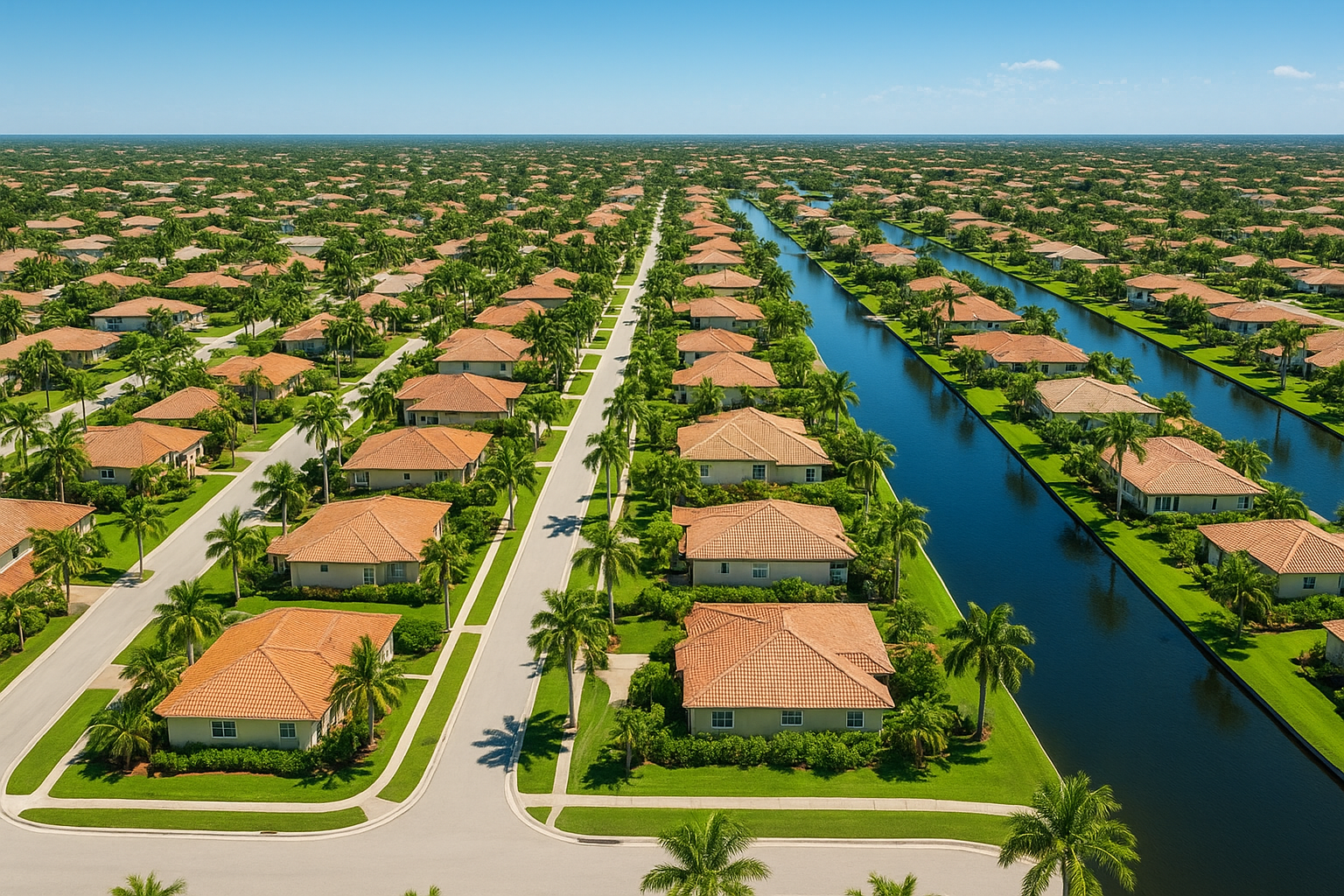
Neighborhood layout and flood zone status both matter when comparing Palm Beach County communities.
Frequently Asked Questions About Second Home Buyers Palm Beach County
What is a second home in Palm Beach County?
A second home in Palm Beach County is a residential property bought mainly for personal vacation use, seasonal living, or future retirement rather than as a full-time primary residence. It can be a condo, townhome, or single-family house that owners use part of the year.
How do second home buyers Palm Beach County typically finance their purchase?
Most second home buyers Palm Beach County use a conventional mortgage with a larger down payment than a primary residence loan, often 10% to 20% or more. Lenders also evaluate debt-to-income ratios and reserve requirements more strictly for non-primary properties.
What is the difference between a second home and an investment property?
A second home is intended mainly for personal use with only occasional rental income, while an investment property is purchased primarily to generate rental revenue. Lenders, insurers, and tax authorities apply different rules depending on which category a property falls under.
What is a simultaneous closing and how does it help second home buyers in Palm Beach County?
A simultaneous closing coordinates the sale of your current home and the purchase of your second home on or near the same date. It helps second home buyers in Palm Beach County avoid carrying two mortgages at once, though it requires careful scheduling with both lenders and title companies.
Can I buy a second home before selling my current house?
Yes, many buyers use a bridge loan or a home equity line against their current property to fund the down payment before it sells. This approach lets you secure your second home first, though it carries extra interest costs until your existing home closes.
How much does it cost to maintain a second home in Palm Beach County?
Ongoing costs typically include property taxes, homeowners or condo insurance, HOA or association dues, utilities, and maintenance or property management fees. Flood and windstorm insurance can add significantly to annual costs in coastal communities.
How long does it take to close on a second home in South Florida?
Most second home purchases in South Florida close within 30 to 60 days after an accepted offer, depending on financing, inspections, and condo association approval timelines. Cash purchases can sometimes close faster.
Which Palm Beach County areas are best for second homes?
Popular areas include Delray Beach, Boca Raton, Jupiter, Palm Beach Gardens, and Singer Island, each offering a different mix of beach access, walkability, and community amenities. The right choice depends on lifestyle priorities and budget.
Are there rental restrictions on condos purchased as second homes?
Many condo and HOA communities in Palm Beach County limit how often or how long owners can rent their units, and some require minimum lease terms. It's important to review association rules before closing if rental income is part of the plan.
What mistakes do second home buyers make most often?
Common mistakes include underestimating insurance costs, overlooking rental restrictions, skipping flood zone research, and not budgeting for HOA assessments. Working with a local advisor helps buyers avoid these costly surprises.
Do second homes qualify for Florida's homestead exemption?
No, Florida's homestead exemption only applies to a primary residence, so second homes do not receive the reduced property tax benefit. Owners should budget for the full, non-exempt property tax rate.
What insurance should second home buyers budget for?
Beyond standard homeowners coverage, Palm Beach County second home buyers typically need separate flood insurance and may need windstorm coverage depending on location and building age. Insurance costs can vary significantly between inland and coastal properties.
Is buying a second home in Palm Beach County a good investment?
Palm Beach County has historically maintained strong demand due to its climate, lack of state income tax, and limited coastal land supply, which supports long-term property values. However, returns depend on location, property type, and market timing.
Should second home buyers work with a local real estate advisor?
Yes, a local advisor can explain neighborhood differences, association rules, flood zones, and pricing trends that are difficult to research from out of state. This local knowledge often prevents costly mistakes during the purchase process.
What is the best time of year to buy a second home in Palm Beach County?
Inventory and buyer competition often shift between the winter season months and the quieter summer months, with some buyers finding more negotiating room in late spring or summer. Timing should still depend on personal schedules and financing readiness rather than the calendar alone.
Final Thoughts on Buying a Second Home in Palm Beach County
Ultimately, second home buyers Palm Beach County who take time to understand financing differences, insurance requirements, simultaneous-sale timing, and community rules tend to make smoother, more confident purchases. From Delray Beach to Jupiter, the right property depends on matching lifestyle goals with realistic cost expectations — and, for many buyers, on carefully coordinating the sale of a current home with the purchase of a new one.
If you're ready to start your search or want a clearer picture of your options, the team at SoFlo Group at COMPASS brings over 25 years of combined experience guiding buyers and sellers across South Florida. Reach out at 561.645.9000 or thomas.kornitzer@compass.com to discuss your second home goals in Palm Beach County.