Florida Real Estate Guide: Palm Beach County Insights
Discover Florida real estate opportunities in Palm Beach County, from luxury homes to family listings. Get expert guidance from SoFlo Real Estate today.
Florida real estate continues to be one of the most closely watched property markets in the United States, and 2025 has brought a noticeable shift as prices cool after years of rapid growth. Whether you are tracking Palm Beach County waterfront estates or comparing statewide housing data, understanding why the market is changing — and what it means for your next move — matters more than ever. This guide breaks down what Florida real estate actually covers, why Palm Beach County remains a magnet for buyers, what is driving the current price pullback, and exactly how to buy or sell with confidence in today's market.
Direct answer: Florida real estate covers residential, commercial, and luxury property transactions across the state. In 2025, statewide prices have softened for several consecutive months due to rising inventory and insurance costs, yet Palm Beach County continues to show resilience thanks to strong waterfront demand, limited luxury supply, and year-round buyer interest.
What Is Florida Real Estate?
Florida real estate is the term used for property bought, sold, or leased anywhere within the state, covering everything from condos in Miami to single-family homes in Palm Beach County. It also includes commercial buildings, vacant land, and luxury waterfront estates. Therefore, the phrase describes a broad, diverse market rather than one single property type.
The Sunshine State's lack of a state income tax, warm climate, and coastal geography have made it one of the most active property markets in the country, according to Florida Realtors, a statewide industry trade association. In particular, South Florida real estate — including Palm Beach, Broward, and Miami-Dade counties — attracts both domestic relocators and international buyers looking for second homes. If you want a deeper walkthrough of how to search listings efficiently, our complete 2025 Florida real estate listings buyer guide covers the full process step by step.
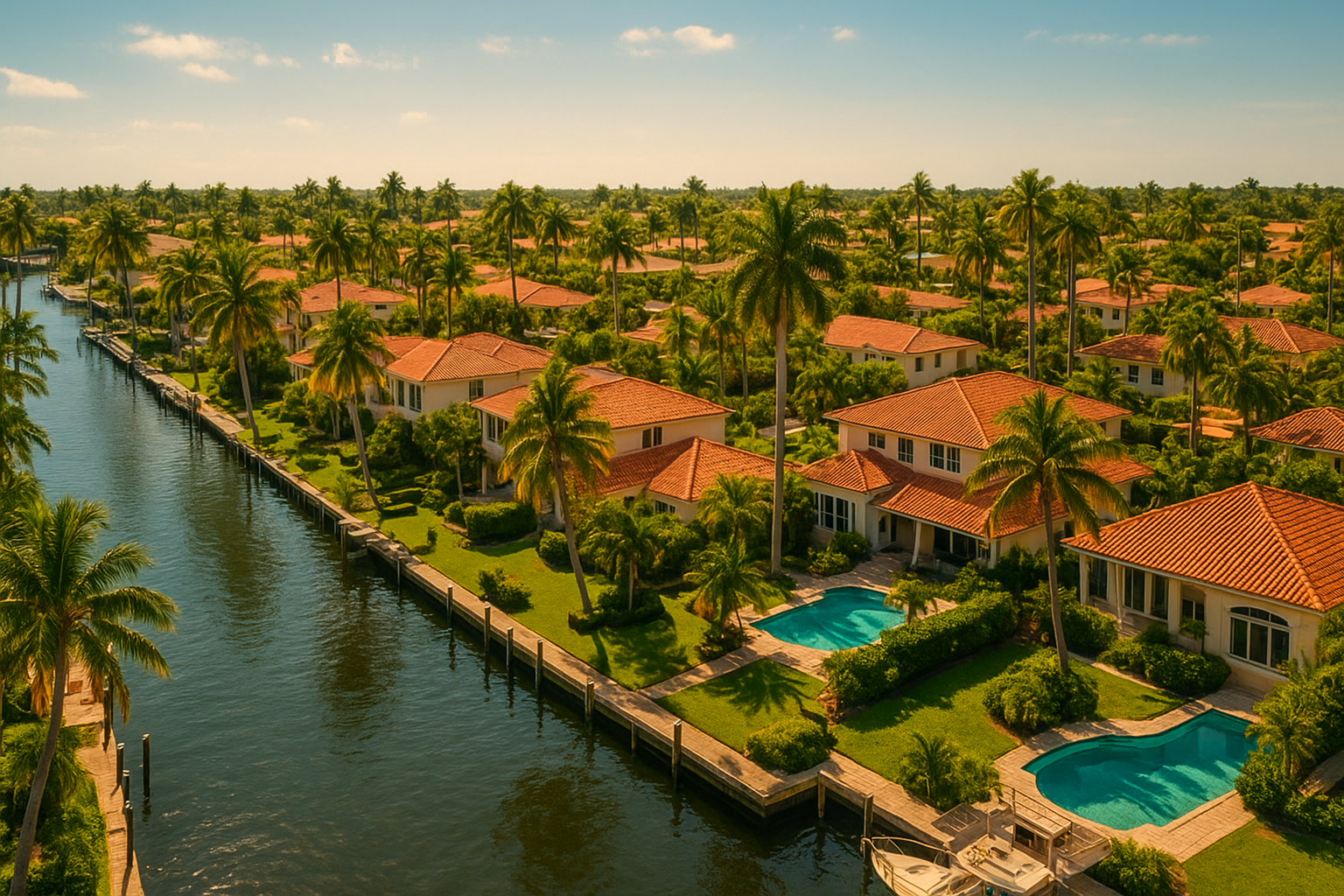
Waterfront communities like these illustrate why Florida real estate remains in steady demand even as statewide prices adjust.
Why Palm Beach County Attracts Florida Real Estate Buyers
Palm Beach County sits along Florida's southeastern coast and blends upscale communities with quieter suburban neighborhoods. As a result, it appeals to a wide range of buyers, from young families to retirees. According to Wikipedia's overview of Palm Beach County, the county spans dozens of municipalities, giving buyers plenty of choice between beachfront living and inland golf communities.
In addition, the local school systems, hospitals, and proximity to major airports make the area practical for full-time residents, not just seasonal visitors. Consequently, demand tends to stay steadier throughout the year than in markets that depend almost entirely on winter tourism.
Luxury Real Estate Options Worth Exploring
For buyers focused on high-end properties, Palm Beach County offers a wide selection of luxury real estate, from oceanfront condos to sprawling estates with private docks. For example, you can review this Palm Beach County residential listing to see current pricing for a well-appointed single-family home. Similarly, this featured listing shows how amenities and lot size influence value in nearby areas.
Florida Real Estate Market Trends in 2025: Why Prices Are Cooling
After years of rapid appreciation, statewide Florida real estate prices have softened for several consecutive months in 2025. However, this does not mean the market has collapsed — it means the extreme seller's-market conditions of 2021 through 2023 are giving way to a more balanced environment. Specifically, listing inventory has grown as more sellers return to the market, which gives buyers negotiating leverage that was largely absent just a few years ago.
Key Factors Behind the 2025 Price Pullback
- Rising inventory: More homes sitting on the market longer gives buyers more options and reduces upward pressure on asking prices.
- Higher mortgage rates: Elevated borrowing costs have priced some buyers out, slowing bidding-war activity across many Florida metros.
- Rising insurance costs: Homeowners' insurance and windstorm coverage premiums have climbed sharply in coastal counties, adding real monthly costs that sellers must now account for in pricing.
- Slower migration growth: While Florida still gains residents, the pace of relocation has moderated compared with the pandemic-era surge, cooling demand in some inland submarkets.
- Builder incentives: New construction price cuts and incentives in certain metros have pulled some buyer demand away from the resale market.
How Palm Beach County Compares to Statewide Florida Real Estate Trends
In contrast to the steeper corrections seen in some overbuilt Florida metros, Palm Beach County's luxury and waterfront segments have remained comparatively resilient. This is largely because inventory in premium coastal zip codes stays naturally limited, which cushions prices even when the broader statewide market softens. Therefore, buyers hoping for dramatic discounts on true waterfront property may still find that well-located listings hold firmer pricing than inland or condo-heavy submarkets.
Regional Breakdown: Where Florida Home Prices Are Softening Fastest
Not every Florida market is adjusting at the same pace. Southwest Florida metros that saw heavy post-pandemic construction and investor buying — such as Cape Coral and Fort Myers — have generally experienced larger price adjustments and longer days-on-market figures. Condo-heavy coastal markets have also felt more pressure, partly due to new structural inspection and reserve-funding requirements that followed the Surfside building collapse. Meanwhile, single-family homes in established South Florida communities, including much of Palm Beach County, have generally seen milder, more gradual pricing shifts.
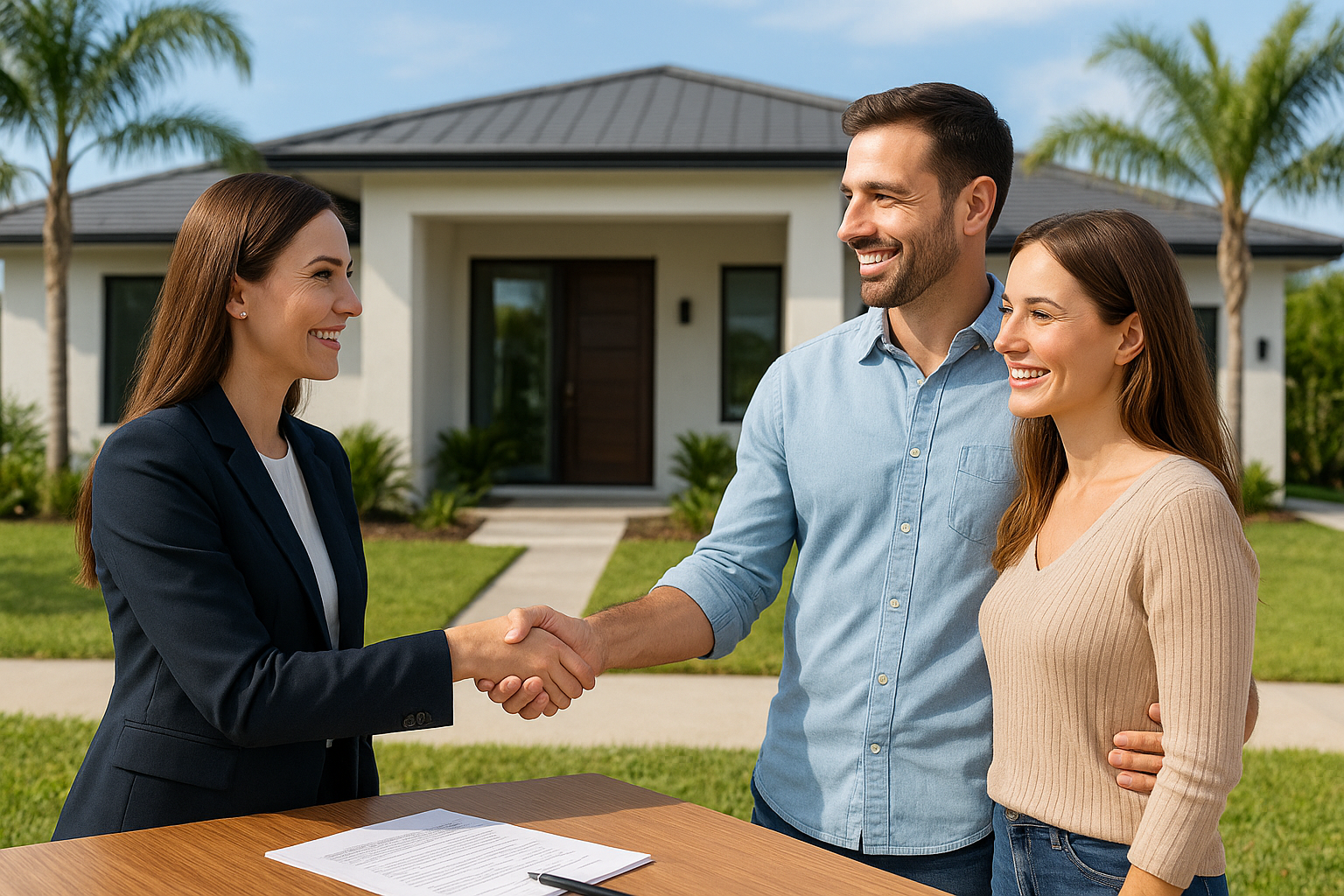
Working with an experienced agent helps buyers navigate Florida real estate paperwork and current pricing conditions confidently.
Current Trends Shaping South Florida Real Estate
Population growth has played a major role in shaping demand across South Florida real estate. Specifically, the U.S. Census Bureau reported that Florida's population grew by roughly 365,000 residents in a single year, more than any other state during that period. This steady influx of new residents has kept inventory relatively tight in desirable coastal counties, including Palm Beach, even as the statewide pace of appreciation slows.
Furthermore, remote work flexibility has allowed more buyers to relocate permanently rather than only visiting seasonally. As a result, homes that once sold primarily to winter residents now attract year-round owners, which has gradually reshaped pricing patterns and inventory turnover in several Palm Beach County submarkets.
How to Buy Florida Real Estate in Palm Beach County
Buying property in Florida follows a fairly predictable sequence, though details vary by transaction. Below is a general step-by-step process buyers can expect, and our South Florida buying guide for realtor homes for sale walks through each stage in greater detail.
- Get pre-approved for financing. Contact a lender to secure a mortgage pre-approval letter, since this shows sellers you are a serious, qualified buyer before you start touring homes.
- Define your search criteria. Decide on your target budget, neighborhood, property type, and must-have features so you can filter Florida real estate listings efficiently.
- Work with a licensed agent. Partner with a listing agent or buyer's representative who understands local Palm Beach County pricing trends and can schedule private showings on your behalf.
- Tour homes and compare listings. Visit multiple properties in person, compare price per square foot, and review recent sales data to confirm the asking price is reasonable given current cooling trends. You can start by comparing this residential property example against similar listings nearby.
- Submit an offer and complete due diligence. Negotiate terms, schedule a professional inspection, and review title work carefully before signing final closing documents and transferring ownership.
Working with Listing Agents and Buyer Representation
Understanding agent roles is important before signing any paperwork. A listing agent represents the seller and markets the property to attract offers, while a buyer's representative works exclusively for the purchaser during negotiations. SoFlo Real Estate provides both listing agent services and buyer representation for sellers and buyers throughout Palm Beach County, including support for luxury real estate transactions.
For instance, you can review this active listing to see how a local agent presents property details, pricing history, and neighborhood context for prospective buyers. If you are unsure how to choose the right professional, our guide on how to find and vet the best real estate agents in South Florida breaks down exactly what to look for.
Accessing Listings Securely on SoFlo Real Estate
When browsing property details online, visitors to SoFlo Real Estate may notice a short secure refresh step before full listing information loads. This "Click To Continue" prompt is part of a session verification workflow designed to confirm real visitor traffic before releasing detailed listing content. It typically takes only a moment to complete.
However, if a page fails to load properly after this step, the site displays a unique error identifier. Visitors experiencing this issue should contact technical support and reference that identifier, since it helps staff diagnose and resolve access problems more efficiently. For a broader comparison of where to search, see our roundup of the best South Florida real estate websites for home buyers. This process exists to protect listing data while still giving genuine buyers and sellers reliable access to Florida real estate information.
Is Florida Real Estate a Good Investment Right Now?
Many analysts continue to view Florida real estate favorably despite the recent price cooling, largely because of sustained population growth and limited coastal inventory in premium submarkets. According to the National Association of Realtors, migration into Sun Belt states has kept demand elevated compared with several slower-growth regions. Still, no market guarantees returns, so individual financial goals should guide any purchase decision.
In particular, buyers considering rental income should research short-term rental regulations, since rules differ by municipality within Palm Beach County. Consequently, working with a knowledgeable local agent before purchasing an investment property is strongly recommended, especially while pricing conditions remain in flux.
Common Mistakes to Avoid When Searching Florida Real Estate
Even experienced buyers sometimes overlook important details during a Florida real estate search. Below are a few frequent missteps worth avoiding.
- Skipping mortgage pre-approval before touring homes, which can slow down offer negotiations.
- Underestimating insurance costs, particularly for flood or windstorm coverage near the coast.
- Relying on outdated listing photos or prices instead of verifying current availability directly, especially while prices are shifting month to month.
- Ignoring homeowners' association rules that may affect rental plans or renovation options.
- Assuming statewide price-drop headlines apply equally to every neighborhood, when local submarkets often move very differently.
For a practical comparison, review this current listing alongside your own checklist to confirm you are not missing key details before making an offer. You can also start your search directly at SoFlo Real Estate for updated availability.
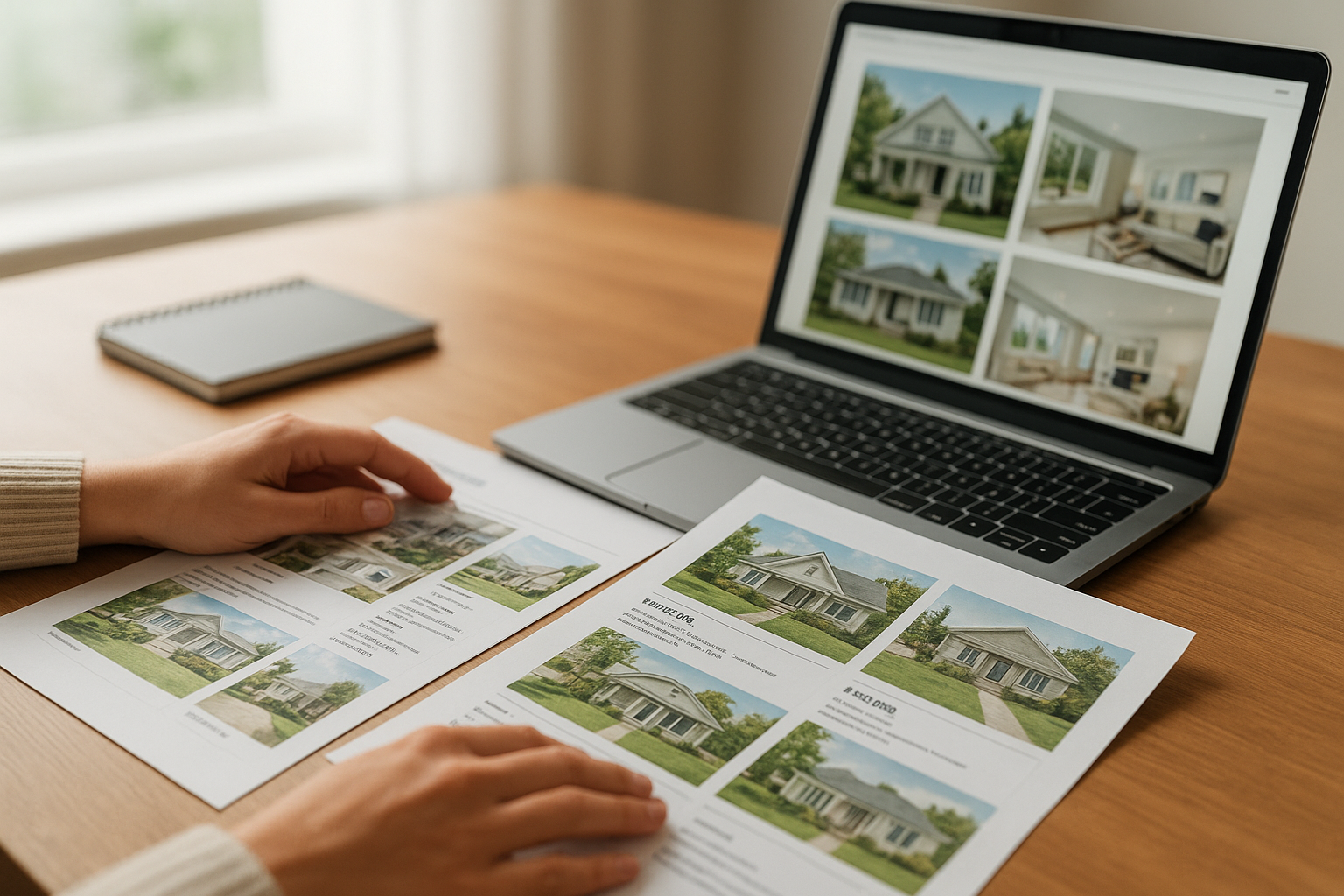
Comparing multiple listings side by side helps buyers avoid common Florida real estate mistakes.
Florida Real Estate Market Forecast: What Comes Next
Looking ahead, most industry watchers expect continued moderation rather than a dramatic crash. In other words, Florida real estate is likely transitioning toward a healthier, more balanced market rather than repeating the sharp swings of the early 2020s. As a result, buyers who have been priced out during the seller's-market years may finally find more room to negotiate on price, concessions, and closing timelines.
For sellers, this means pricing realistically from day one matters more than ever, since overpriced listings now sit longer compared with the rapid-sale environment of prior years. Similarly, well-maintained, move-in-ready homes in strong school districts and waterfront-adjacent neighborhoods continue to attract faster offers than dated inventory. Above all, both buyers and sellers benefit from working with an agent who tracks hyperlocal data rather than relying solely on statewide headlines.
Frequently Asked Questions About Florida Real Estate
What is Florida real estate?
Florida real estate refers to residential, commercial, and land transactions anywhere in the state, including condos, single-family homes, and luxury waterfront estates. It covers buying, selling, and leasing property across every county.
Why are Florida home prices dropping in 2025?
Prices have softened mainly due to rising inventory, higher mortgage rates, and sharply increased insurance costs in coastal areas. In addition, migration growth has moderated compared with pandemic-era highs, easing some of the demand pressure that previously pushed prices up quickly.
How does the Florida real estate market differ from other states?
Florida has no state income tax, a warmer climate, and heavy coastal demand, which keeps buyer interest higher than in many other states. As a result, price appreciation and seasonal demand patterns often look different than in colder markets.
How much does it cost to buy a home in Palm Beach County?
Costs vary widely by neighborhood, ranging from condos in the low hundreds of thousands to multimillion-dollar waterfront estates. Buyers should also budget for closing costs, insurance, and property taxes on top of the purchase price.
How long does it take to close on a Florida real estate purchase?
Most transactions close within 30 to 60 days after an accepted offer, depending on financing and inspection timelines. Cash purchases can close faster, sometimes within two to three weeks.
What are the best neighborhoods for Florida real estate investment in Palm Beach County?
Waterfront and downtown-adjacent neighborhoods tend to hold value well because of limited supply and strong seasonal demand. However, the best choice depends on your budget, rental goals, and desired proximity to the coast.
What common mistakes do buyers make when purchasing Florida real estate?
Common mistakes include skipping pre-approval, underestimating insurance costs, and not researching flood zones before making an offer. Buyers also sometimes rely on outdated listing data instead of verifying current availability.
Do I need a real estate agent to buy property in Florida?
While it is legally possible to buy without one, a licensed agent helps negotiate price, interpret contracts, and coordinate inspections. This is especially valuable for out-of-state or first-time buyers unfamiliar with Florida disclosure laws.
What is the difference between listing agents and buyer representation?
A listing agent represents the seller's interests and markets the property, while a buyer's representative works exclusively on behalf of the purchaser. Both roles exist within Florida real estate transactions to keep negotiations balanced.
Is Florida real estate a good investment right now?
Population growth and steady relocation trends continue to support demand in many Florida markets, particularly in South Florida. Still, investment suitability depends on individual financial goals, timeline, and risk tolerance.
What documents do I need to buy Florida real estate?
Typical documents include proof of funds or a mortgage pre-approval letter, government-issued identification, and a signed purchase agreement. Additional disclosures may be required depending on the property type and location.
Why is Palm Beach County popular for luxury real estate?
Palm Beach County combines waterfront access, a mild climate, and a concentration of upscale amenities that attract seasonal and year-round luxury buyers. This mix keeps demand strong for high-end listings compared with many inland markets.
What should I do if a real estate website fails to load properly?
If a page does not load after completing a verification step, note any error identifier displayed on the screen and contact technical support with that reference number. This helps support staff diagnose the issue more efficiently.
How do property taxes work for Florida real estate owners?
Florida property taxes are assessed annually by county appraisers and vary based on assessed value and local millage rates. Homestead exemptions can reduce the taxable value for primary residences owned by Florida residents.
Will Florida home prices keep falling in 2026?
Most forecasts point toward continued stabilization rather than a sharp decline, as population growth and limited coastal land keep a floor under long-term demand. That said, pricing will likely keep varying significantly by county, property type, and proximity to the water.
Final Thoughts on Florida Real Estate in Palm Beach County
Florida real estate remains a dynamic, region-specific market, and Palm Beach County exemplifies why so many buyers continue to look south even as statewide pricing cools. From waterfront luxury estates to family-friendly neighborhoods, the options are broad, but success still depends on preparation. Above all, working with knowledgeable listing agents, verifying financing early, and comparing current listings carefully will help you avoid costly mistakes.
As you continue your search, take time to review available properties, ask questions about neighborhood-level pricing trends, and confirm technical details like access steps before relying on any single listing source. With the right approach, navigating Florida real estate in Palm Beach County can remain a straightforward and rewarding process — even in a shifting market.