Florida Real Estate Listings: Complete 2026 Buyer Guide
Explore Florida real estate listings with expert tips on searching, verifying, and evaluating homes for sale across the state. Start browsing today.
Florida real estate listings give buyers, sellers, and investors a window into homes currently for sale across the Sunshine State, from beachfront condos to inland family houses. Whether you are relocating for work, chasing warmer weather, or hunting for an investment property, understanding how to read and search these listings makes the process far less stressful. This guide walks through what listings actually contain, how to search them well, and where they can go wrong.
Quick answer: Florida real estate listings are searchable online records of homes, condos, and land for sale throughout the state, typically found on MLS-connected platforms like soflorealestate.com, showing price, photos, square footage, and status.
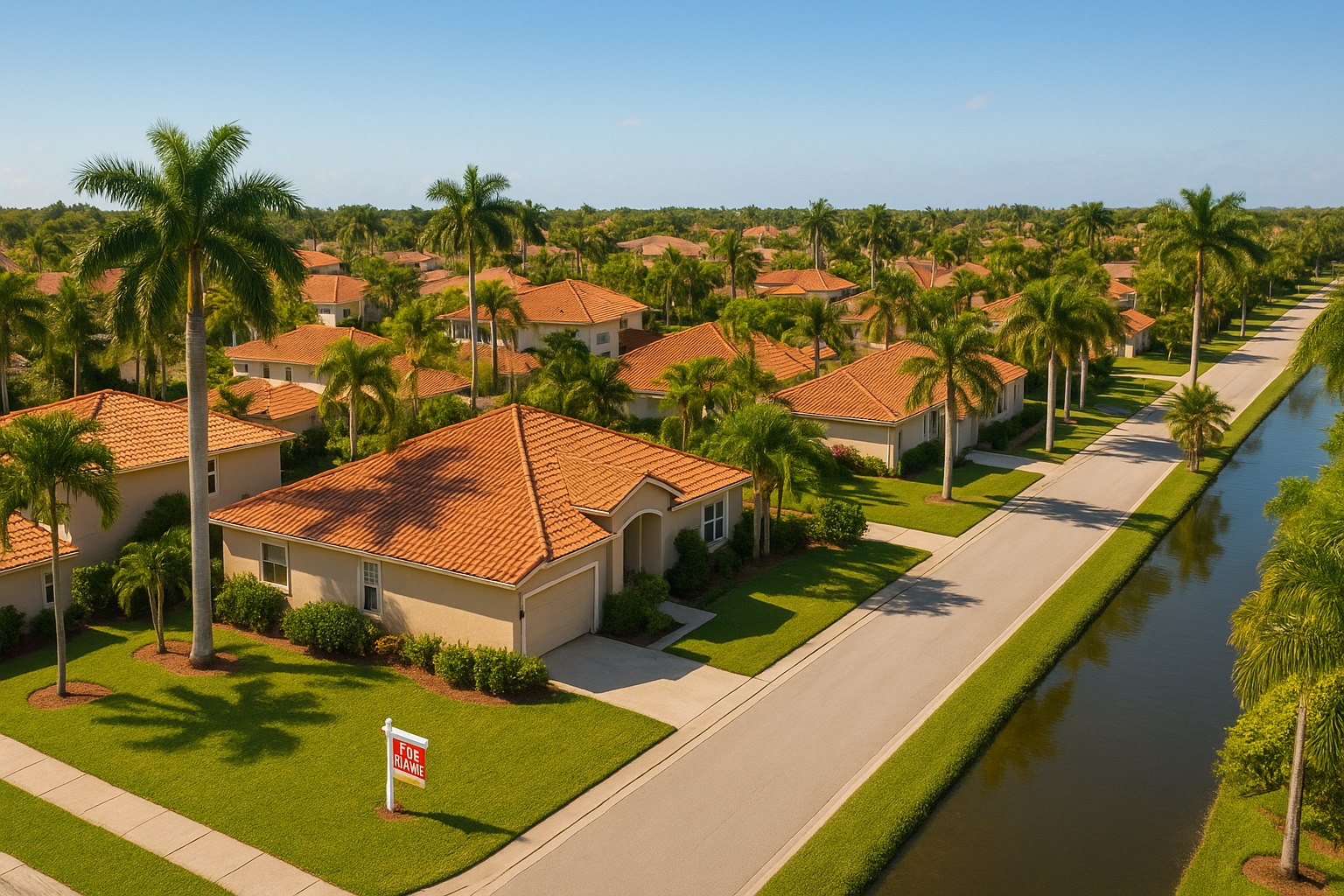
Neighborhoods like this one regularly appear across Florida real estate listings.
What Are Florida Real Estate Listings?
Florida real estate listings are digital records that describe a property currently on the market, whether for sale or rent. In short, a listing acts like a digital brochure: it shows the asking price, square footage, photos, and current status of a home.
Most listings originate from a licensed agent who enters the property into a Multiple Listing Service, often called an MLS, a shared database that brokers use to share inventory. From there, the data syndicates out to consumer-facing search platforms, which is why the same home can appear on several different websites at once.
Because Florida attracts year-round relocation and seasonal buyers, its listings inventory tends to shift faster than in many other states. Therefore, staying current with active status matters more here than in slower markets.
Why Florida Property Listings Matter for Buyers and Investors
Florida property listings matter because they are the primary tool buyers use to gauge market conditions before making an offer. Without accurate listing data, it becomes difficult to know whether a price is fair or whether a neighborhood is appreciating.
For instance, an investor comparing several Florida homes for sale can spot patterns in price per square foot, rental demand, and days on market simply by reviewing a batch of listings side by side. Similarly, a first-time buyer can use listings history to understand whether a seller has already reduced the asking price, which often signals room to negotiate.
According to Florida Realtors, the statewide median sale price for single-family homes hovered near $410,000 in recent reporting, while condo and townhome prices trended somewhat lower. Numbers like these give context to any individual listing you review, helping you judge whether a specific property is priced in line with its local market.
In addition, listings often reveal property tax estimates, HOA fees, and flood zone designations, all of which affect total ownership cost well beyond the sticker price. As a result, careful buyers treat the listing itself as the starting point for due diligence, not the final word.
How to Search Florida Real Estate Listings Effectively
Searching Florida real estate listings well comes down to a repeatable process rather than random browsing. The following steps outline a simple approach that keeps results relevant and manageable.
- Define your search criteria. Write down your target price range, minimum bedrooms and bathrooms, preferred cities, and must-have features before opening any listings platform.
- Choose a reliable listings platform. Select a platform that pulls directly from MLS data feeds so the Florida real estate listings you view reflect current pricing and availability accurately.
- Filter by location and price range. Apply filters for county, zip code, and price so results only show homes fitting your budget and preferred neighborhoods.
- Review property details and photos. Examine square footage, lot size, year built, flood zone status, and recent photos to judge whether the property matches expectations.
- Verify listing accuracy and contact agents. Confirm the listing is still active by checking the last update date, then contact the listing agent directly to schedule a tour or ask questions.
Following these steps in order, rather than skipping around, generally produces a shorter and more accurate shortlist of homes worth touring in person.
Key Features to Look for in Florida Homes for Sale
Beyond price and location, certain features consistently affect long-term value in Florida homes for sale. Flood zone designation is arguably the most important, since it directly impacts insurance costs and resale appeal.
Roof age matters as well, particularly because many Florida insurers now require roofs under a certain age to offer full coverage. Consequently, a listing that mentions a recently replaced roof often commands a premium over comparable homes with older roofing.
Below are a few current examples of active listings that illustrate the range of options available across South Florida:
- A residential listing in South Florida showcasing typical single-family layout and pricing.
- A comparable residential property listing with detailed square footage and lot information.
- Another active residential listing highlighting features common in this price range.
- A residential property record demonstrating standard listing detail depth.
- A further residential listing example for buyers comparing similar homes.
Reviewing several examples side by side, as shown above, helps calibrate expectations before you start scheduling showings.
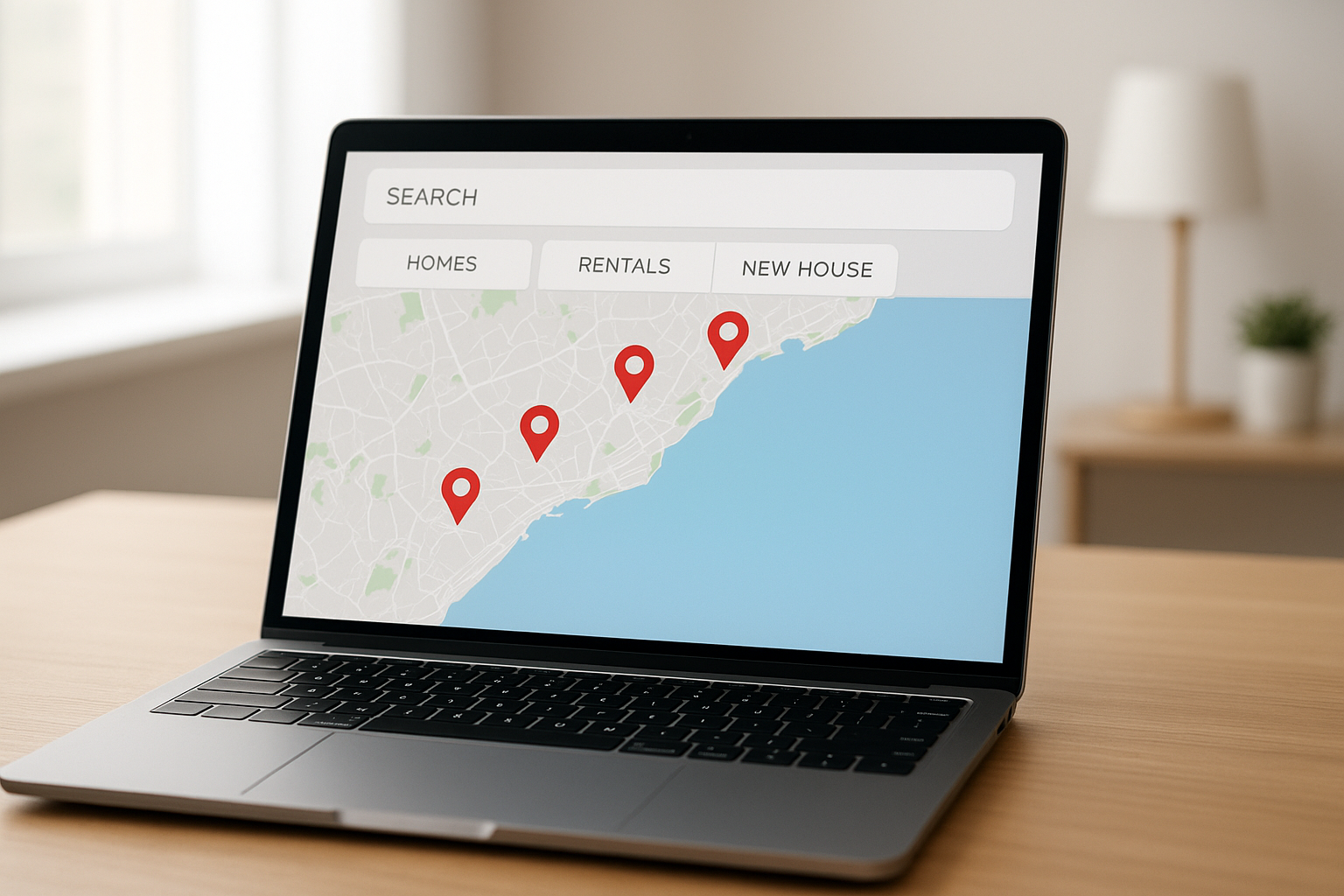
Map-based filters make it easier to narrow Florida real estate listings by neighborhood.
Understanding Florida MLS Listings and Data Accuracy
Florida MLS listings are generally the most accurate source of property data because agents are required to update status changes within a short window after they occur. In contrast, third-party aggregator sites sometimes display stale information for a day or longer.
Specifically, when a home goes under contract, the MLS record typically changes to "pending" within hours, while a syndicated copy elsewhere might still show "active." For this reason, serious buyers should always confirm status directly with the listing agent before assuming a property is still available.
Furthermore, according to data referenced by the U.S. Census Bureau, Florida's population growth continues to outpace the national average, which helps explain why listing turnover remains brisk in most counties. Buyers who understand this dynamic tend to move faster once they find a home that fits.
Common Mistakes When Browsing South Florida Real Estate
Even experienced buyers make avoidable mistakes when browsing South Florida real estate listings. One frequent error is skipping the flood zone lookup, which can lead to unpleasant insurance surprises after closing.
Another mistake involves ignoring HOA documents linked within a listing. Similarly, some buyers rely solely on photos without checking the listing date, missing the fact that a home may have been relisted after a failed sale.
Above all, if a listing page fails to load correctly or displays an error, it is worth reporting the issue through the platform's technical support channel along with any error identifier shown, so the record can be corrected quickly rather than trusted blindly.
Frequently Asked Questions About Florida Real Estate Listings
What are Florida real estate listings?
Florida real estate listings are online records of homes, condos, and land for sale or rent throughout the state, typically including price, photos, square footage, and location details. Buyers and agents use these listings to compare properties before scheduling a showing.
How do I search Florida real estate listings online?
You can search Florida real estate listings by entering a city, zip code, or price range into a listings platform's search bar. Most platforms also let you filter by bedrooms, property type, and square footage to narrow results quickly.
Why do Florida real estate listings change so quickly?
Florida's housing market moves fast because demand from relocating buyers and investors remains consistently high. As a result, listings can go from active to pending within days in popular metro areas.
What is the difference between MLS listings and public real estate listings?
MLS listings come directly from licensed agents through a Multiple Listing Service database, while public listings are syndicated copies displayed on consumer websites. Consequently, MLS data is usually more accurate and updated faster.
How much do Florida real estate listings typically cost to access?
Browsing Florida real estate listings is generally free for consumers on most public platforms. However, premium data feeds or off-market listing services may charge a subscription fee.
How long do Florida real estate listings stay active before selling?
The average days on market for Florida homes has hovered between 40 and 60 days in recent years, though this varies by county and price point. Coastal and metro listings often move faster than rural ones.
What common mistakes do buyers make when browsing Florida real estate listings?
Buyers often rely on outdated photos, skip flood zone research, or ignore HOA fees listed in the fine print. In addition, many fail to verify a listing's current status before contacting an agent.
What are the best practices for evaluating Florida real estate listings?
Best practices include checking the listing date, comparing price per square foot with nearby sales, and reviewing flood and insurance history. It also helps to confirm details directly with the listing agent before making decisions.
Are Florida real estate listings updated in real time?
Most MLS-connected platforms update Florida real estate listings within minutes to a few hours of a status change. Third-party sites that pull syndicated data may lag by a day or more.
Can I find waterfront properties in Florida real estate listings?
Yes, most listing platforms let you filter specifically for waterfront, canal-front, or oceanfront properties. This is especially useful in South Florida, where waterfront inventory is a major draw for buyers.
Do Florida real estate listings include condos and multi-family homes?
Florida real estate listings typically cover single-family homes, condos, townhomes, and multi-family buildings. Filtering by property type helps narrow results to the category you need.
How do I verify that a Florida real estate listing is legitimate?
Verify a listing by cross-checking the address on a county property appraiser site and confirming the agent's license through the Florida Department of Business and Professional Regulation. If a page will not load or a listing seems suspicious, contact the platform's support channel for confirmation.
What information should I check before contacting an agent about a listing?
Before reaching out, review the listing status, estimated taxes, HOA rules, and any recent price changes. Doing this beforehand makes your conversation with the agent more productive.

Waterfront homes like this are a popular category within Florida real estate listings.
Final Thoughts on Navigating Florida Real Estate Listings
Florida real estate listings remain one of the most reliable tools for understanding what is truly available in a fast-moving market. By defining clear search criteria, choosing an MLS-connected platform, and verifying status before contacting an agent, buyers can avoid wasted time and outdated information.
Ultimately, the goal is not just to browse listings but to read them critically, checking flood zones, HOA fees, and days on market alongside the photos and price. Doing so turns a simple online search into a genuinely useful step toward finding the right Florida home.
For further reference, review guidance from the National Association of Realtors, and continue exploring current listings directly at soflorealestate.com.