Housing Market Trends in Palm Beach County for 2026
See January 2026 Palm Beach County prices, sales, inventory, and market timing with practical guidance for buyers and sellers.
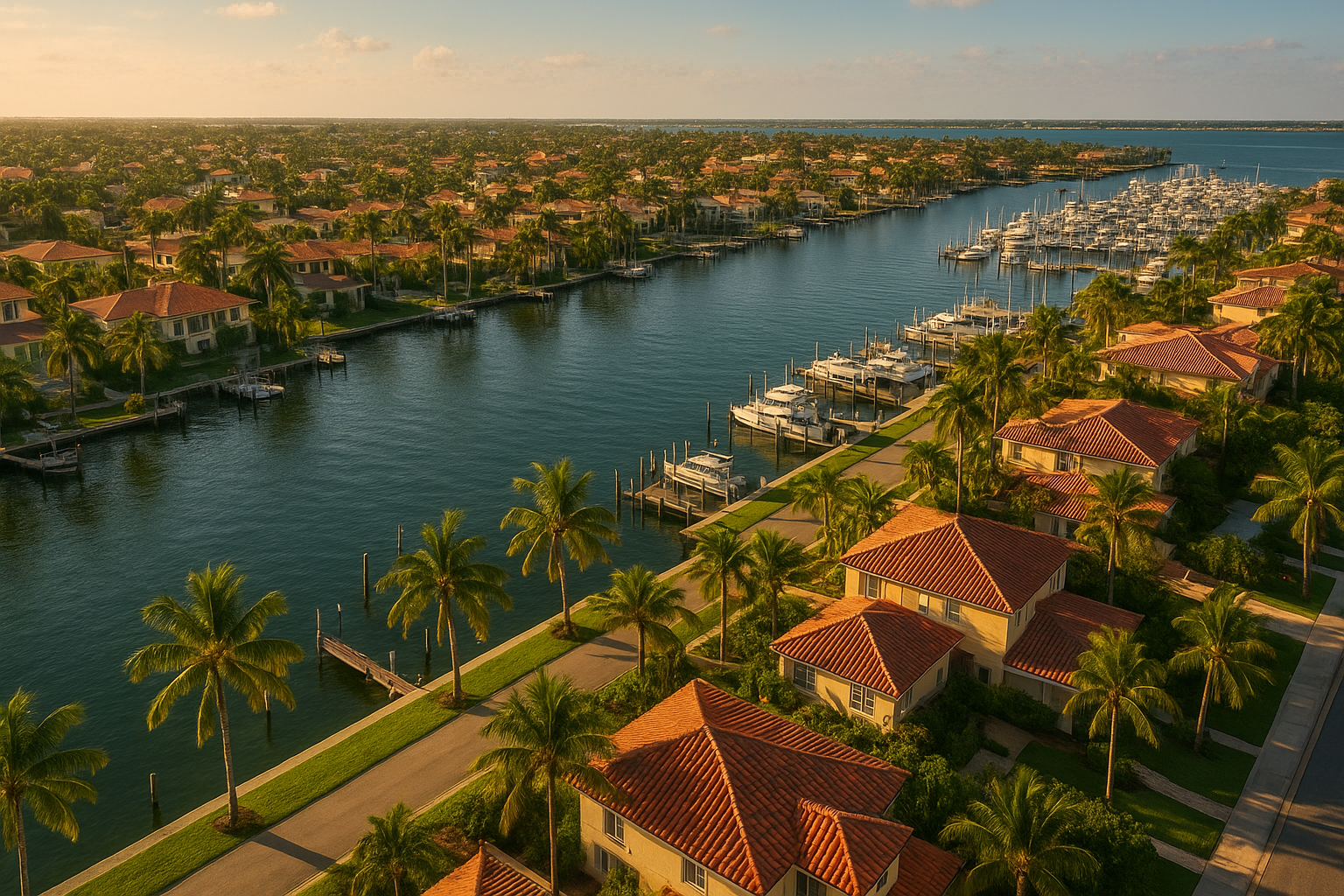
The Palm Beach County housing market enters 2026 with rising single-family prices, softer condo values, and faster sales activity than a year ago. This guide breaks down the official January 2026 figures from the Miami Association of Realtors, explains exactly what they mean for buyers and sellers, and walks through a complete action plan for navigating this market with confidence. Unlike a basic data dump, every number below is paired with real context so you understand not just what is happening, but why it matters to your next move.
What Is the Palm Beach County Housing Market?
The Palm Beach County housing market is the overall system of supply, demand, pricing, and sales activity for residential property across the county — from downtown condos and townhomes to sprawling waterfront estates and inland suburban neighborhoods. In other words, it is the sum total of every home sale, listing, and price negotiation happening across the region at any given moment.
However, no single number tells the full story. Analysts typically examine median sale price, months of supply (an inventory metric explained below), median time to contract, and active listing counts together to determine whether conditions favor buyers or sellers. In addition, local cost factors — HOA fees, flood insurance premiums, property taxes, and proximity to amenities — meaningfully affect what "affordable" actually means in a given neighborhood.
Coastal and inland neighborhoods each contribute to the countywide market picture.
Palm Beach County Real Estate Trends Shaping 2026
Inventory and buyer demand have both shifted the pricing landscape over the past several years. The pandemic-era surge of 2021–2022 tightened supply and pushed prices sharply upward across South Florida. More recently, however, dynamics vary considerably by segment and price tier — single-family homes are still appreciating, while condos and townhomes have cooled slightly on a year-over-year basis.
Migration patterns continue to play a central role. Florida has consistently ranked among the fastest-growing states for inbound domestic migration, according to the U.S. Census Bureau's migration data, and Palm Beach County remains a popular landing spot thanks to its mix of coastal lifestyle, no state income tax, and relative affordability compared to Miami-Dade. As a result, demand pressure persists even as overall sales pace has shifted month to month.
Mortgage costs are another critical driver of affordability. Rather than relying on outdated headline figures, prospective buyers should check current averages directly through a source like Freddie Mac's Primary Mortgage Market Survey and speak with a lender about pre-approval terms specific to their financial profile.
Official Housing Market Statistics for Palm Beach County (January 2026)
Below are the official county-level figures reported by the Miami Association of Realtors for January 2026, presented as a clean reference table instead of scattered line items. For complete breakdowns and downloadable reports, see the official sources linked beneath the table.
| Metric (Palm Beach County) | January 2026 Value | Year-over-Year Change |
|---|---|---|
| Single-family median sale price | $700,000 | +7.7% |
| Condo/townhouse median sale price | $325,000 | -1.5% |
| Total home sales | 1,634 | +9.6% |
| Single-family median time to contract | 49 days | — |
| Active listings (countywide) | 6,073 | — |
| Months supply (countywide) | 5.2 months | — |
Sources: Miami Association of Realtors summary (Feb 17, 2026) and the January 2026 county report (PDF).
How Competitive Is the Palm Beach County Housing Market?
A months-supply reading of 5.2 generally sits closer to a balanced market than an extreme seller's market, which typically shows under three months of supply. In particular, this suggests buyers currently have more breathing room to negotiate than they did during the tightest years of the pandemic boom, especially in the condo segment where prices have softened.
That said, competitiveness is never uniform across an entire county. A median time to contract of 49 days reflects countywide averages, but well-priced, move-in-ready homes in high-demand pockets can still receive multiple offers within days, while overpriced or dated listings may sit for months. Consequently, understanding neighborhood-level conditions matters far more than the countywide average alone.
For a deeper, neighborhood-by-neighborhood breakdown of what these dynamics mean on the ground, see our comprehensive Palm Beach County insights guide, which pairs local knowledge with current conditions.
How Local Market Conditions Affect Buyers and Sellers
What Buyers Should Expect
Buyers should expect conditions to vary significantly by price range and neighborhood. The countywide months-supply and active-listing counts point to more breathing room in some segments and persistently tight inventory in others, particularly for updated single-family homes under $600,000. Above all, buyers should prepare with lender pre-approval and neighborhood-level research so they can act confidently the moment the right property appears.
What Sellers Should Expect
Sellers benefit most from accurate pricing and strong presentation. Homes priced in line with recent, comparable sales typically spend less time on market and net stronger offers, whereas overpriced listings tend to sit and eventually require price reductions. Therefore, a current comparative market analysis from a local agent — not a nationwide automated estimate — remains the single most valuable tool a seller can use before listing.
Common Buyer Mistakes to Avoid
In a mixed market like this one, common missteps include skipping mortgage pre-approval, waiving inspections without fully understanding the risk, and underestimating closing costs and ongoing carrying costs such as insurance. For a structured checklist that walks through exactly what to verify before signing a contract, review our due diligence guide for Palm Beach County buyers.
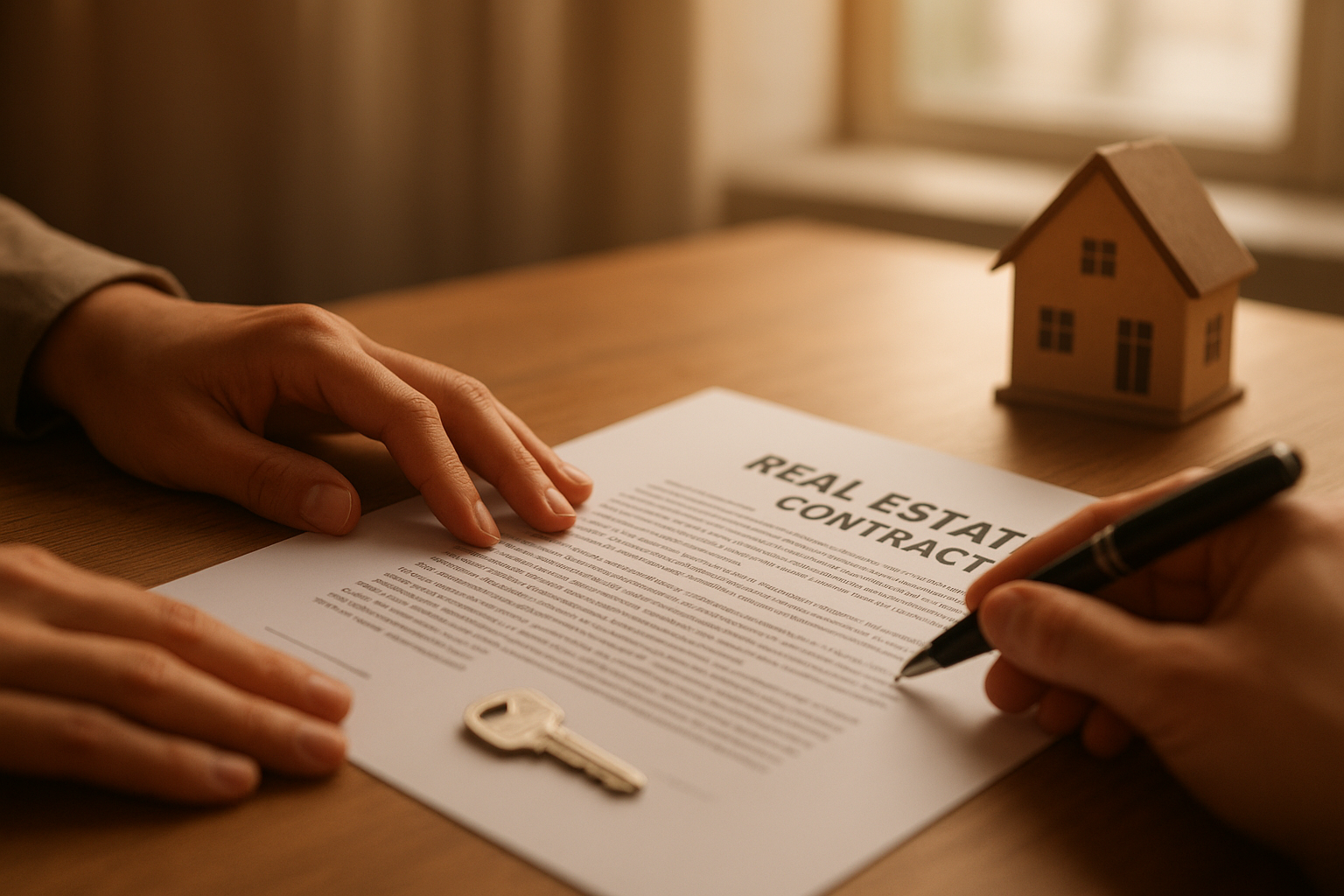
Careful contract review remains a key step when buying or selling a home.
Palm Beach County vs. Miami-Dade and Broward Home Prices
Context from neighboring counties helps frame whether Palm Beach County's pricing trend is unusual or part of a broader regional pattern. In January 2026, Palm Beach County's single-family median of $700,000 slightly outpaced both of its southern neighbors.
| County | Single-Family Median (Jan 2026) | YoY Change |
|---|---|---|
| Palm Beach County | $700,000 | +7.7% |
| Miami-Dade | $699,990 | +3.7% |
| Broward | $620,000 | -3.1% |
In contrast to Broward's year-over-year decline, Palm Beach County posted the strongest single-family appreciation of the three counties. This suggests sustained buyer confidence in the area even as nearby markets cool. For a wider lens on how to use resources like this effectively, our roundup of the best South Florida real estate websites for home buyers can help you track listings and trends across all three counties in one place.
Flood Zones, Insurance Costs, and Other Affordability Factors
Median sale price is only part of the affordability equation. Because much of Palm Beach County sits close to sea level, flood zone designation can substantially change a property's true carrying cost. Buyers should check a property's flood zone status directly through FEMA's official flood map service before finalizing an offer, since flood insurance premiums can add hundreds of dollars per month to ownership costs in high-risk zones.
Similarly, HOA fees, homestead exemption eligibility, and property tax rates vary widely by municipality. As a result, two homes with identical sale prices in different parts of the county can carry meaningfully different monthly costs — another reason neighborhood-specific guidance matters more than countywide medians alone.
How to Navigate the Palm Beach County Real Estate Market: Step-by-Step
A structured approach reduces stress and improves outcomes for both buyers and sellers. Follow the steps below in order for the smoothest path through current conditions.
- Review recent sold listings, active inventory levels, and time-to-contract figures for the specific neighborhood you are targeting before making any pricing or offer decisions.
- Buyers should secure mortgage pre-approval from a lender; sellers should request a current comparative market analysis from a local listing agent to set a realistic, data-backed price.
- Partner with an agent who understands Palm Beach County's individual neighborhoods, since local expertise directly affects negotiation leverage and pricing accuracy in every transaction.
- In competitive segments, be ready to submit offers or schedule showings promptly, since well-priced homes in desirable neighborhoods can still move quickly despite softer countywide averages.
- Evaluate flood zone status, HOA rules, and estimated property taxes for any target property using official county GIS tools and FEMA flood maps before writing an offer.
- Before signing, confirm inspection contingencies, financing terms, and estimated closing costs in writing so there are no surprises at the closing table.
Palm Beach County Cities and Neighborhoods at a Glance
Because conditions differ so much by location, it helps to understand the general character of the county's major submarkets before narrowing a search.
- West Palm Beach: Urban core with a growing downtown, strong condo inventory, and a mix of historic and new-construction single-family homes.
- Boca Raton and Delray Beach: Established, high-demand coastal markets with strong luxury activity and consistently limited inventory.
- Boynton Beach and Lake Worth Beach: More attainable entry points for first-time buyers, with steady new-construction activity.
- Wellington: Equestrian and ranch-style properties on larger lots; buyers interested in this segment should see our ranch homes buyer's guide for South Florida.
- Jupiter and the northern coastal corridor: Premium waterfront pricing with strong appreciation driven by limited developable land.
Featured Palm Beach County Properties
If you want a closer look at what inventory looks like today, the following listings reflect a range of price points and neighborhoods across the county.
- View this residential listing in Palm Beach County
- Explore this single-family home currently on the market
- See details on this available property
- Check pricing and photos for this listing
- Review this Palm Beach County property listing
In addition to browsing listings, buyers and sellers in Palm Beach County can connect directly with SoFlo Real Estate for listing agent services, dedicated buyer representation, and specialized guidance on luxury transactions throughout the county.
2026 Market Outlook for Palm Beach County Homebuyers and Sellers
Rather than chasing numeric forecasts, it helps to focus on factors you can actually control: accurate pricing, strong financing preparation, and timely responsiveness to opportunities. Local supply-and-demand dynamics, neighborhood desirability, and financing availability will continue to determine short-term movement more than any single national headline.
For broader context on how local trends compare to the national housing market, the National Association of Realtors' research hub publishes monthly data worth cross-referencing. For the official January 2026 county snapshot, review the Miami Association of Realtors summary and the January 2026 county report linked earlier in this guide.
Use official monthly reports and neighborhood comps to track trends over time.
Frequently Asked Questions About the Palm Beach County Housing Market
What is the housing market?
The housing market is the collective system of buying, selling, and pricing residential properties within a given area. It reflects supply, demand, financing costs, and buyer confidence at any point in time.
How is the Palm Beach County housing market performing in 2026?
Official January 2026 figures show the county's single-family median at $700,000 (up 7.7% YoY), condos/townhomes at $325,000 (down 1.5% YoY), and total home sales at 1,634 (up 9.6% YoY). Time to contract and inventory levels vary by neighborhood; the single-family median time to contract was 49 days in January 2026. See the Miami Association of Realtors report for full detail.
Why are home prices changing in Palm Beach County?
Price changes reflect local supply and demand, migration patterns, new construction rates, and buyer preferences for amenities like waterfront access and strong school districts. Limited developable land and sustained demand for certain neighborhoods continue to push values higher in select segments.
How much does it cost to buy a home in Palm Beach County right now?
Costs vary widely by neighborhood and property type. The January 2026 medians provide countywide benchmarks: single-family median $700,000 and condo/townhouse median $325,000. Consult neighborhood comps for a more precise estimate for a specific area.
How long does it take to sell a house in this market?
Time to sell depends on price, condition, and location. The countywide single-family median time to contract was 49 days in January 2026; well-priced, updated homes typically move faster, while others can take considerably longer.
What's the difference between a buyer's market and a seller's market?
A buyer's market has more homes for sale than buyers, giving buyers more negotiating leverage. A seller's market has stronger demand than supply, which typically pushes prices higher and shortens sale timelines.
How competitive is the Palm Beach County housing market right now?
With 5.2 months of supply and a 49-day median time to contract, the countywide Palm Beach County housing market currently leans closer to balanced than extremely competitive, though well-priced homes in high-demand neighborhoods can still attract multiple offers within days.
What common mistakes do buyers make in a competitive housing market?
Common mistakes include skipping mortgage pre-approval, waiving inspections without understanding the risks, and underestimating closing costs. Buyers who prepare early and move quickly when appropriate are better positioned to win offers.
Is now a good time to sell in Palm Beach County?
Many sellers with well-located, updated homes continue to find buyer interest. Accurate pricing and effective marketing remain the most important factors for a successful sale.
How do mortgage rates affect the housing market?
Mortgage rates affect monthly payments and buyer purchasing power, which in turn influence demand and price dynamics. For current rates, consult lenders or official rate surveys such as Freddie Mac's rather than relying on historical values.
What areas of Palm Beach County are seeing the most demand?
Coastal communities, gated golf communities, newer construction neighborhoods, and areas with strong schools typically see robust demand. Micro-markets differ, so neighborhood-level data is essential.
Should I work with a listing agent or sell my home myself?
A listing agent typically provides marketing, negotiation, and transaction management that can offset commission costs. Selling without representation is possible but carries greater pricing, marketing, and legal risk.
How can buyer representation help in this market?
Buyer representation provides negotiation advocacy, contract review, and local market knowledge that help avoid overpaying and overcome competitive situations.
What is considered a "luxury" home in Palm Beach County?
Definitions vary, but luxury homes in the county commonly begin around $1 million and include features such as waterfront access, high-end finishes, or gated-community amenities.
How does the Palm Beach County housing market compare to the national housing market?
Palm Beach County's 7.7% single-family price growth in January 2026 outpaced many national benchmarks reported by the National Association of Realtors, driven largely by sustained inbound migration and limited coastal land. In contrast, the county's condo segment softened, more closely tracking broader national cooling in attached-home pricing.
How often does housing market data get updated?
Local real estate boards generally update market data monthly; some figures are revised at quarter-end. Use official monthly reports for the most recent county-level snapshots.
What are best practices for winning a home in a competitive market?
Obtain mortgage pre-approval, work with a responsive local agent, and be prepared to act quickly. Clean offers, flexibility on closing timelines, and clear communication with listing agents improve the odds of success.
Final Thoughts on the Palm Beach County Housing Market
Ultimately, the Palm Beach County housing market in 2026 rewards preparation over guesswork. Single-family values continue climbing while condos cool slightly, sales volume is up, and inventory sits in a more balanced range than in recent years. Use official, neighborhood-level data and local expertise to guide your buying or selling decision rather than relying on countywide averages alone. For tailored advice and active listings, connect with SoFlo Real Estate or review the full Miami Association of Realtors reports linked earlier in this guide.