South Florida Commercial Real Estate: 2026 Buyer Guide
Explore South Florida commercial real estate trends, pricing, and investment tips for Boca Raton and Palm Beach County. Contact SoFlo Group today.
South Florida commercial real estate has become one of the most closely watched investment sectors in the United States, drawing buyers, developers, and business owners from across the country. Whether you are searching for office space in Boca Raton, a retail center in Delray Beach, or an industrial warehouse near the Port of Palm Beach, understanding this market is essential before you sign a contract. In particular, this guide breaks down what commercial real estate in South Florida includes, why demand keeps climbing, and how to work with an experienced advisor to protect your investment.
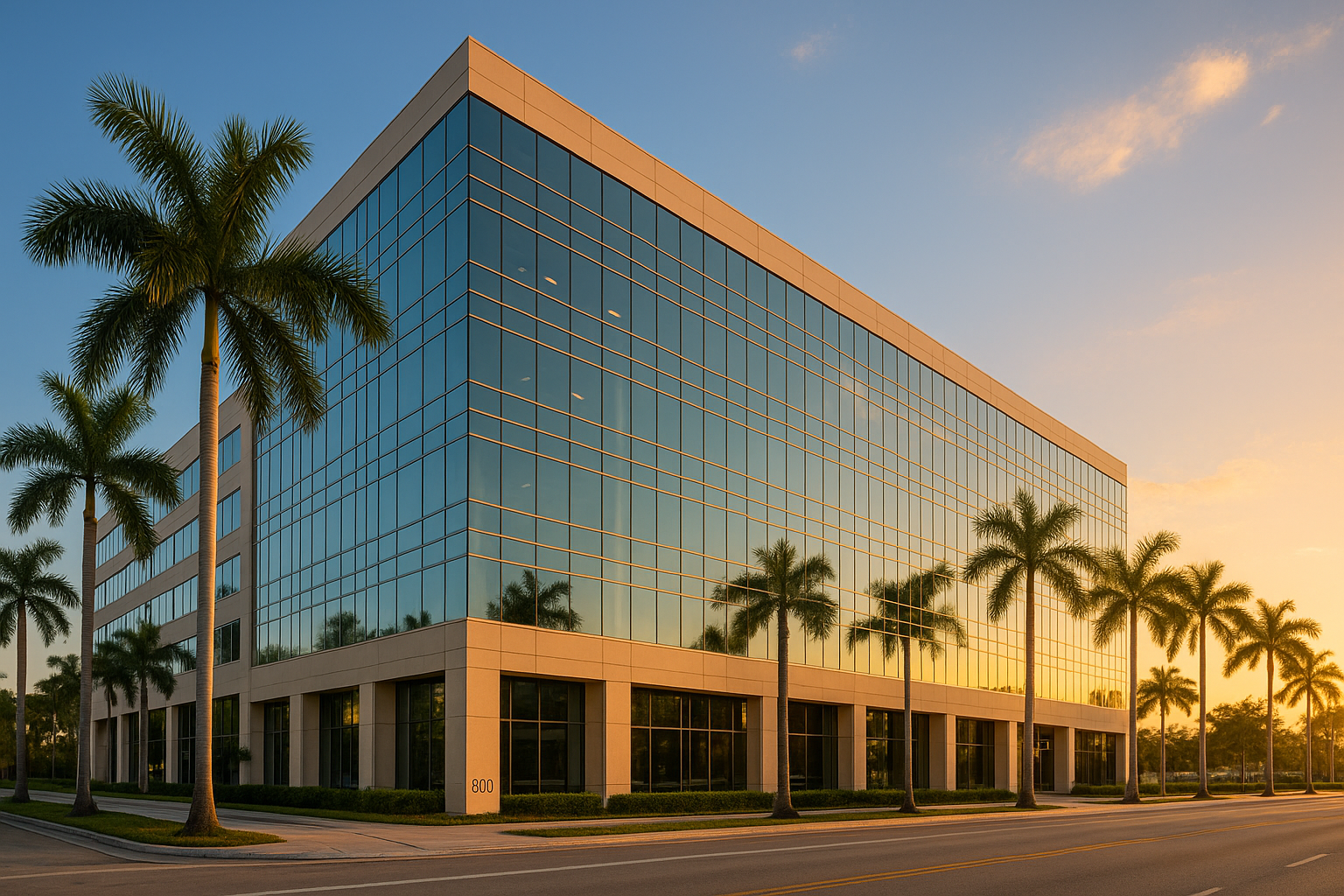
Office buildings like this one illustrate the variety found within South Florida commercial real estate.
What Is South Florida Commercial Real Estate?
South Florida commercial real estate is the market for income-producing and business-use properties located throughout Palm Beach, Broward, and Miami-Dade counties. This includes office buildings, retail centers, industrial warehouses, multifamily apartment complexes, and land held for future development. Investors, business owners, and developers buy, sell, and lease these properties to generate rental income, run daily operations, or build long-term equity.
Unlike residential real estate, commercial transactions typically involve lease structures, zoning considerations, and investment return calculations such as capitalization rate, often shortened to cap rate, which measures a property's income relative to its price. As a result, buyers need a different due diligence process than they would use for a single-family home.
Why Demand for Commercial Property in South Florida Keeps Rising
Demand for commercial property across South Florida has grown steadily, and several factors explain why. First, Florida's population continues to expand at a faster rate than most states in the country. According to the U.S. Census Bureau, Florida gained hundreds of thousands of new residents in a recent year, fueling demand for retail, office, and industrial space to support that growth.
In addition, Florida's lack of a state income tax continues to attract businesses relocating from higher-tax states. Consequently, corporate relocations have pushed vacancy rates down in several Palm Beach County submarkets, particularly for Class A office and industrial buildings. Furthermore, limited available land in coastal areas has made existing commercial parcels increasingly valuable, especially near major highways and ports.
Key Segments of the South Florida Commercial Market
The South Florida commercial market is not one single category; rather, it includes several distinct property types, each with its own tenant profile and lease structure. Understanding these segments helps buyers target the right opportunity for their goals.
| Property Type | Typical Use | Common Lease Term |
|---|---|---|
| Office | Professional services, medical, corporate | 3 to 7 years |
| Retail | Shops, restaurants, strip centers | 5 to 10 years |
| Industrial | Warehousing, logistics, manufacturing | 5 to 15 years |
| Multifamily | Rental apartment communities | 12-month resident leases |
Office and Retail Space
Office space remains in demand near major business corridors, especially as companies relocate headquarters to Palm Beach County. Meanwhile, retail centers anchored by grocery stores or popular restaurants tend to maintain low vacancy because of consistent foot traffic from nearby residential growth.
Industrial and Multifamily Assets
Industrial warehouses have become especially competitive due to e-commerce growth and limited developable land near highways. Similarly, multifamily buildings continue to attract investors seeking stable, recurring income supported by South Florida's ongoing population growth.
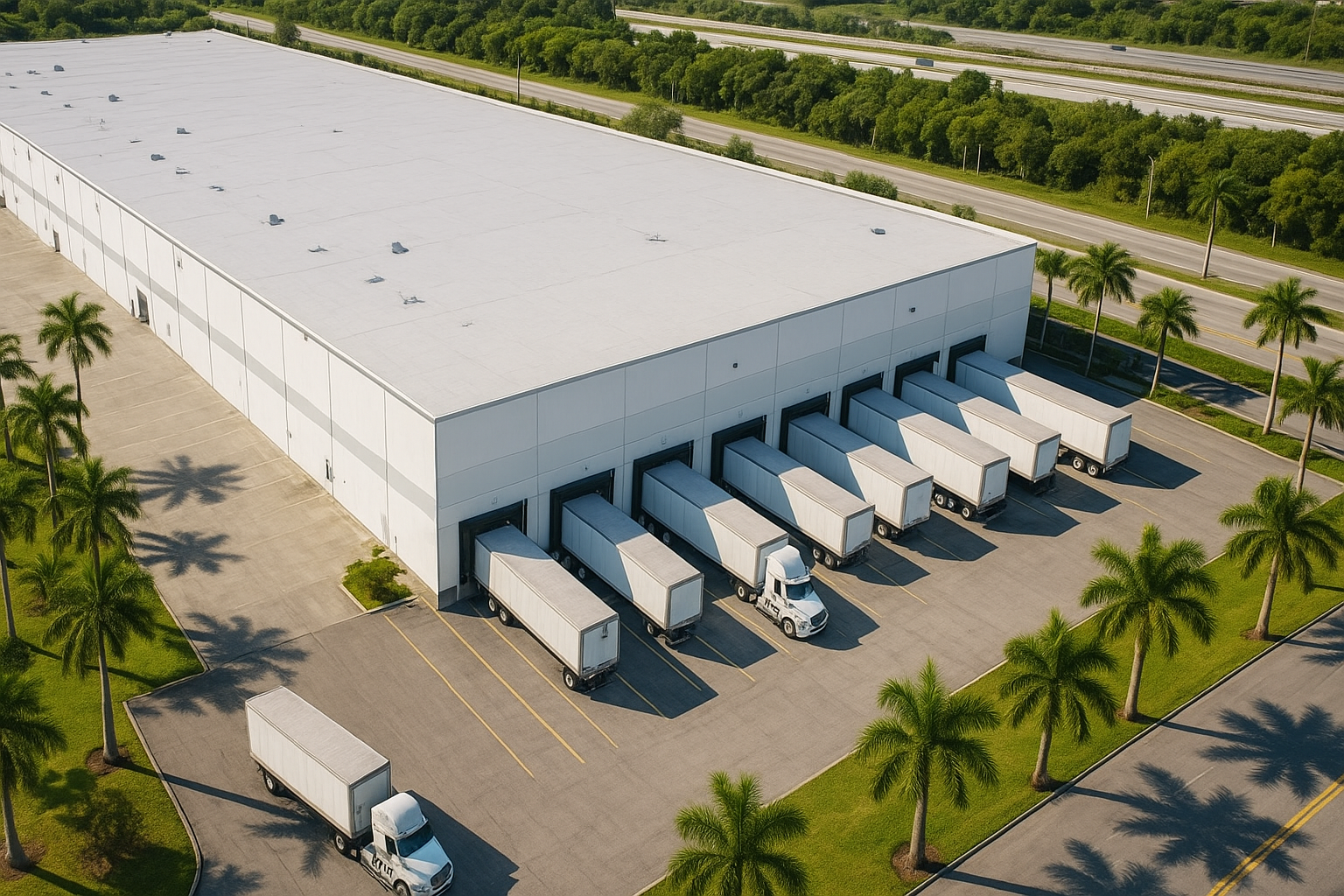
Industrial and logistics properties are among the fastest-growing segments of commercial real estate in South Florida.
How to Evaluate a Commercial Real Estate Investment in South Florida
Before making an offer, savvy buyers follow a consistent evaluation process. Below is a practical step-by-step approach that applies to most commercial property purchases.
- Define investment goals and property type. Decide whether you want office, retail, industrial, or multifamily property, and clarify whether cash flow, appreciation, or owner-occupied use is the priority.
- Analyze the local market and comparable sales. Research recent sales, lease rates, and vacancy trends in the specific submarket before determining a fair offer price.
- Calculate cap rate and cash flow projections. Divide net operating income by purchase price to estimate the cap rate, then project cash flow after debt service.
- Conduct due diligence and inspections. Order a professional inspection, review the title, confirm zoning compliance, and verify any existing leases before closing.
- Negotiate terms and close the transaction. Work with your broker to negotiate price and contingencies, then coordinate with title, lender, and legal teams to finalize the deal.
Palm Beach County Commercial Real Estate: Local Market Trends
Palm Beach County commercial real estate has outperformed many other Florida markets over the past several years, largely driven by migration from the Northeast and continued financial sector growth in Boca Raton and West Palm Beach. As a result, industrial vacancy in the county has remained tight, while office rents in top-tier buildings have climbed steadily.
For example, buyers interested in comparable opportunities can review an active listing such as this featured property to see how current pricing compares across the county. Similarly, those weighing whether to invest in the broader region may find it useful to read our related analysis on whether South Florida is a good place to buy investment property.
Choosing a South Florida Commercial Real Estate Advisor
Given the complexity of zoning, lease negotiations, and financing, most buyers benefit from working with an experienced local advisor rather than navigating the process alone. SoFlo Group at COMPASS, led by Principal Agent Thomas Kornitzer, brings more than 25 years of combined real estate experience to buyers, sellers, investors, and developers throughout Boca Raton, Delray Beach, and Palm Beach County.
Specifically, the team assists with commercial property searches, market analysis, valuation, investment evaluation, negotiations, and transaction coordination from initial strategy through closing. Therefore, whether you are acquiring a warehouse, leasing retail space, or evaluating a multifamily investment, a local advisor familiar with South Florida commercial real estate can help you avoid costly mistakes. You can learn more or start a conversation by visiting soflorealestate.com or reviewing additional listings like this Palm Beach County property for comparison purposes.

Working with a knowledgeable advisor helps buyers navigate South Florida commercial real estate with confidence.
Frequently Asked Questions About South Florida Commercial Real Estate
What is South Florida commercial real estate?
South Florida commercial real estate refers to income-producing and business-use properties across Palm Beach, Broward, and Miami-Dade counties, including office buildings, retail centers, warehouses, and multifamily buildings. These properties are bought, sold, or leased to generate rental income or support business operations.
How much does commercial real estate cost in South Florida?
Prices vary widely by property type, size, and location, with small retail units starting in the low hundreds of thousands and large industrial or office buildings reaching tens of millions. Working with a local advisor helps buyers understand current pricing for their specific submarket.
How long does it take to close on a commercial property in South Florida?
Most commercial transactions close within 45 to 90 days, depending on financing, inspections, and title work. Cash deals or simpler land purchases can close faster, while complex developments may take longer.
What is a good cap rate for South Florida commercial real estate?
Cap rates in South Florida typically range from 5 to 8 percent depending on asset class, with multifamily and industrial properties often trading at lower cap rates due to strong demand. A lower cap rate generally reflects a higher purchase price relative to income.
What are the main types of commercial properties in Palm Beach County?
The main property types include office buildings, retail centers, industrial warehouses, multifamily apartment buildings, and mixed-use developments. Each type carries different lease structures, tenant profiles, and return expectations.
Why is South Florida attractive to commercial real estate investors?
South Florida attracts investors because of population growth, no state income tax, and a steady influx of businesses relocating from other states. These factors support strong tenant demand and long-term property appreciation.
What mistakes should buyers avoid when purchasing commercial property?
Common mistakes include skipping thorough due diligence, underestimating maintenance costs, and failing to verify zoning compliance before closing. Buyers should also avoid overleveraging without a clear exit strategy.
How is commercial real estate different from residential real estate?
Commercial real estate involves business-use properties with lease structures, zoning rules, and income-based valuation methods like cap rate, while residential real estate focuses on single-family or multifamily living spaces. Financing terms and inspection requirements also differ significantly between the two.
Do I need a broker to buy commercial real estate in South Florida?
While not legally required, working with an experienced commercial real estate broker is strongly recommended because of the complexity of zoning, financing, and lease negotiations. A knowledgeable advisor can also provide access to off-market listings.
What financing options are available for commercial property purchases?
Common financing options include traditional commercial mortgages, SBA 504 loans, bridge loans, and private lending. The right option depends on the buyer's credit profile, property type, and intended use.
How does zoning affect commercial real estate in South Florida?
Zoning determines what a property can legally be used for, including permitted building height, density, and business type. Buyers should confirm zoning compliance early, since rezoning can be time-consuming and is never guaranteed.
What is the difference between leasing and buying commercial space?
Leasing offers flexibility and lower upfront costs, making it suitable for businesses testing a new market, while buying builds equity and provides long-term control over the property. The right choice depends on budget, growth plans, and investment goals.
How can I find off-market commercial real estate opportunities in South Florida?
Off-market opportunities are typically found through established broker relationships, local networking, and direct outreach to property owners. An experienced local team often has access to listings before they are publicly advertised.
Final Thoughts
In summary, South Florida commercial real estate continues to offer strong opportunities for buyers, investors, and business owners, thanks to population growth, favorable tax conditions, and limited available land. However, success in this market depends on careful due diligence, accurate valuation, and the right local guidance. Above all, whether you are evaluating office space, industrial warehouses, or multifamily buildings, partnering with an experienced advisor like SoFlo Group at COMPASS can help you move forward with confidence and make informed decisions at every step of the transaction.