Land for Sale in South Florida: Buyer's Guide & Tips
Exploring land for sale in South Florida? Discover buying tips, pricing insights, and expert guidance from SoFlo Group at COMPASS. Contact us today!
Land for sale in South Florida is attracting more buyers than ever, from families planning a custom build to investors eyeing long-term appreciation. Whether you are searching for a quiet half-acre lot in Palm Beach County or a larger parcel suited for commercial development, understanding the local market helps you make a confident decision. In addition, this guide walks through what to look for, what it costs, and how working with an experienced local team like SoFlo Group at COMPASS can simplify the process.
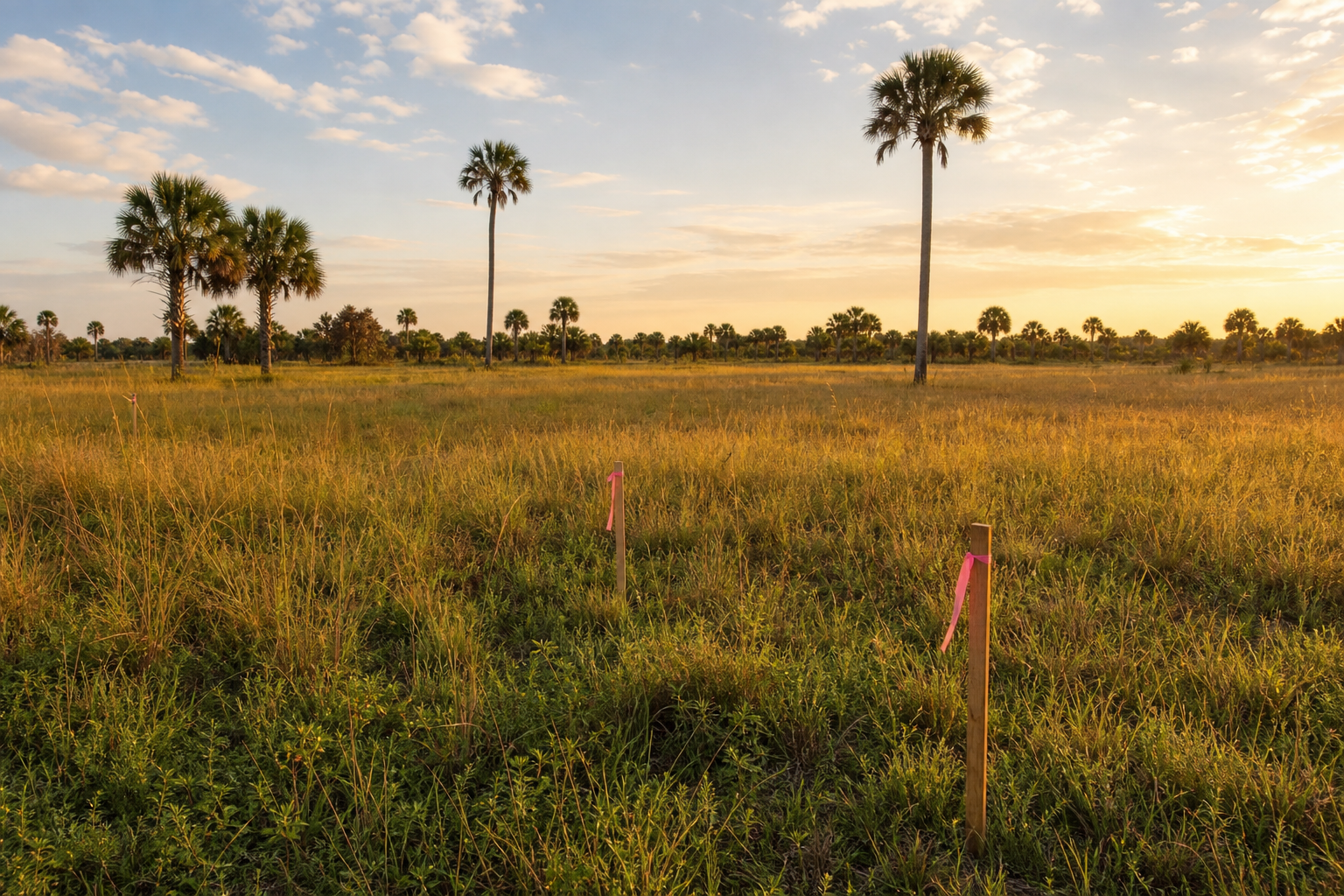
A cleared parcel of land for sale, marked with survey stakes ahead of a future build.
What Is Land for Sale in South Florida?
Land for sale is a vacant or undeveloped parcel of property listed on the market for purchase, with no existing home or commercial structure on it. In South Florida, these parcels range from small residential lots in established neighborhoods to larger agricultural or commercial tracts along major corridors. Buyers typically purchase land for sale to build a custom home, start a business, or hold as a long-term investment.
Unlike buying a finished home, purchasing raw land for sale means weighing factors that do not come up in a traditional closing. For instance, zoning restrictions, utility access, and flood zone designation all shape what you can eventually build. As a result, buyers who research these details upfront tend to avoid costly surprises later.
South Florida's growth has kept demand strong. Palm Beach County's population has grown past 1.5 million residents, according to U.S. Census Bureau estimates, which continues to fuel steady demand for buildable lots and vacant land across the region.
Why Buyers Search for Vacant Land in Palm Beach County
Many buyers choose vacant land because it offers more control over the final result. Rather than adapting to an existing floor plan, you can design a home or commercial building suited to your exact needs. Similarly, investors often buy land for sale specifically because it can appreciate as nearby development increases demand for the surrounding area.
Other buyers are drawn to specific lifestyle goals, such as acreage for horses, privacy from close neighbors, or waterfront access that is difficult to find in an already-built home. In contrast, business owners frequently look for commercially zoned land to construct retail space, offices, or mixed-use developments near growing population centers.
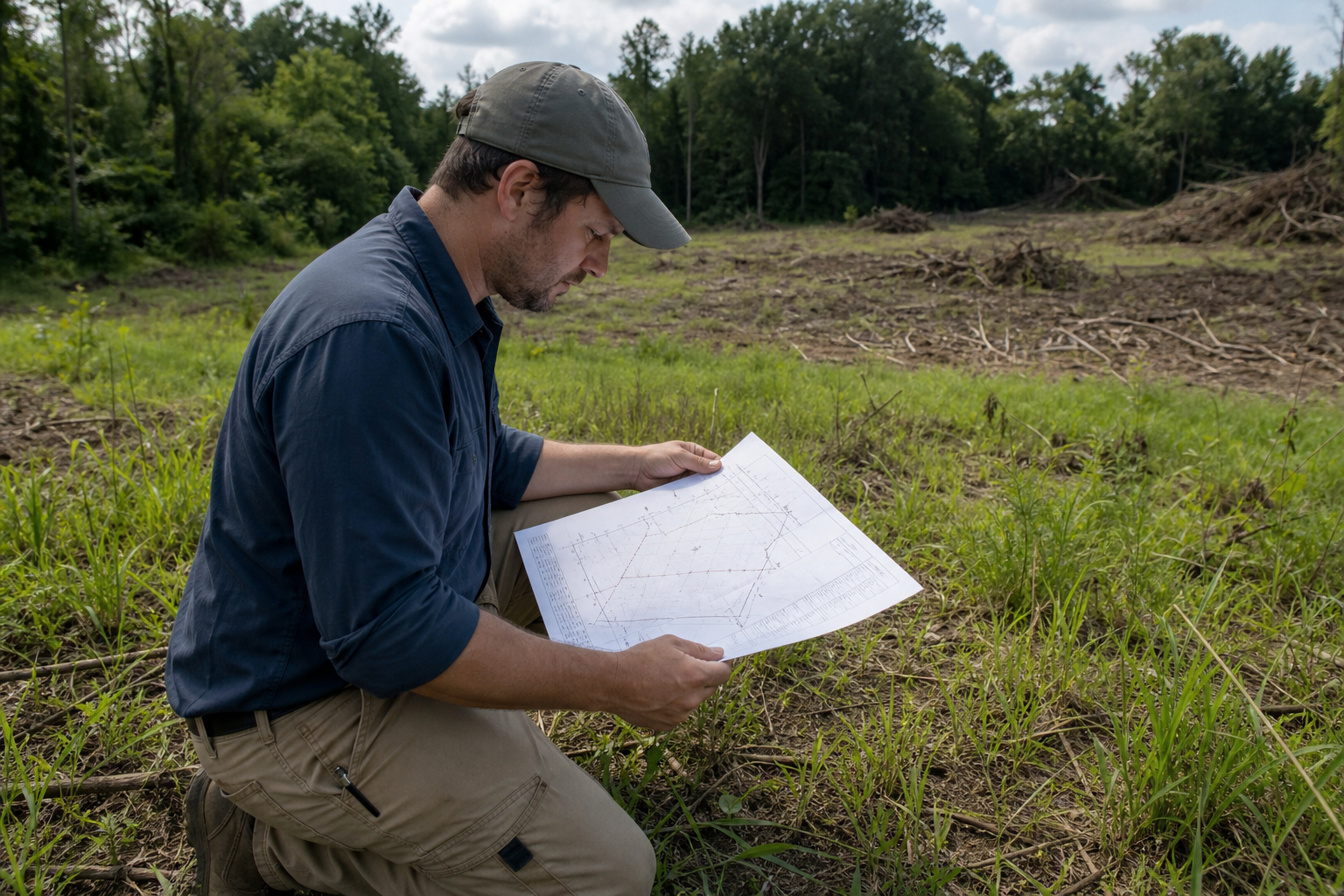
Checking a survey map is a key step before committing to any land for sale.
Types of Land for Sale Available Today
Not all land for sale serves the same purpose. Understanding the main categories helps narrow a search quickly and avoids wasted time touring parcels that will not support your plans.
- Residential homesites: Interior or corner lots zoned for single-family homes, often within existing neighborhoods.
- Waterfront or canal lots: Premium parcels with direct water access, typically priced well above inland land.
- Agricultural and rural acreage: Larger tracts suited for farming, hobby ranches, or future subdivision.
- Commercial parcels: Land zoned for retail, office, or mixed-use projects along main roads.
Buyers exploring finished properties nearby can also compare options such as this move-in ready home in Boca Raton or a recently listed Delray Beach property to understand how land values relate to surrounding home prices.
How to Evaluate Land for Sale Before Buying
Before making an offer, it helps to follow a consistent checklist. Specifically, these five steps catch most of the issues that cause land deals to fall through.
- Verify zoning and permitted use. Contact the local planning or zoning department to confirm the parcel's zoning classification allows your intended use, whether residential, agricultural, or commercial development.
- Check flood zone and soil conditions. Review flood maps and request a soil or environmental assessment to understand drainage, elevation, and whether flood insurance or fill dirt will be needed.
- Confirm utility access. Ask the seller or utility provider whether water, sewer, and electric lines reach the property line, since extending service can add significant unexpected cost.
- Order a survey and title search. Hire a licensed surveyor to confirm exact boundaries and easements, and run a title search to ensure the land for sale has no liens or ownership disputes.
- Calculate total development costs. Add permitting fees, utility hookups, clearing, and construction estimates to the purchase price so the full budget reflects the real cost of building on the land.
For flood zone research, the FEMA Flood Map Service Center is a useful public resource, while zoning and parcel records are available through the Palm Beach County Property Appraiser.
Average Costs When Buying Undeveloped Land
Pricing for undeveloped land varies considerably depending on location, zoning, and proximity to water or major roads. The table below offers a general sense of what buyers can expect across common categories in the region.
| Land Type | Typical Price (per acre) | Common Use |
|---|---|---|
| Residential interior lot | $150,000–$400,000 | Custom single-family home |
| Waterfront or canal lot | $500,000–$2,000,000+ | Luxury waterfront home |
| Agricultural or rural acreage | $20,000–$80,000 | Farming, ranching, future development |
| Commercial main-road parcel | $400,000–$1,500,000+ | Retail, office, mixed-use |
Because pricing shifts with market conditions, it is worth confirming current comparable sales before setting a budget. Buyers researching the real property concept behind land ownership can also review a general overview on Wikipedia's real property entry for background terminology.
Where to Find the Best Land for Sale Near You
Searching for land for sale starts with the local MLS, but off-market opportunities often provide the best value. Consequently, working with a team that has established relationships across Boca Raton, Delray Beach, and the surrounding area can surface parcels before they are widely advertised.
Buyers comparing finished properties alongside vacant parcels may also find it useful to review listings such as this Palm Beach County residence or a comparable South Florida home to gauge how nearby land pricing stacks up against existing construction.
Working With SoFlo Group at COMPASS
Thomas Kornitzer, Principal Agent for SoFlo Group at COMPASS, brings more than 25 years of combined real estate experience to buyers and sellers evaluating land for sale throughout South Florida. Because the team handles both residential and commercial transactions, it can guide a buyer through zoning questions, valuation, and negotiation whether the goal is a custom home lot or a commercial development site.
In addition to land purchases, the team offers home valuation resources, property search tools, and listing exposure through Compass's marketing network. Therefore, buyers and sellers working on either side of a land transaction have access to the same level of local market knowledge and professional support.
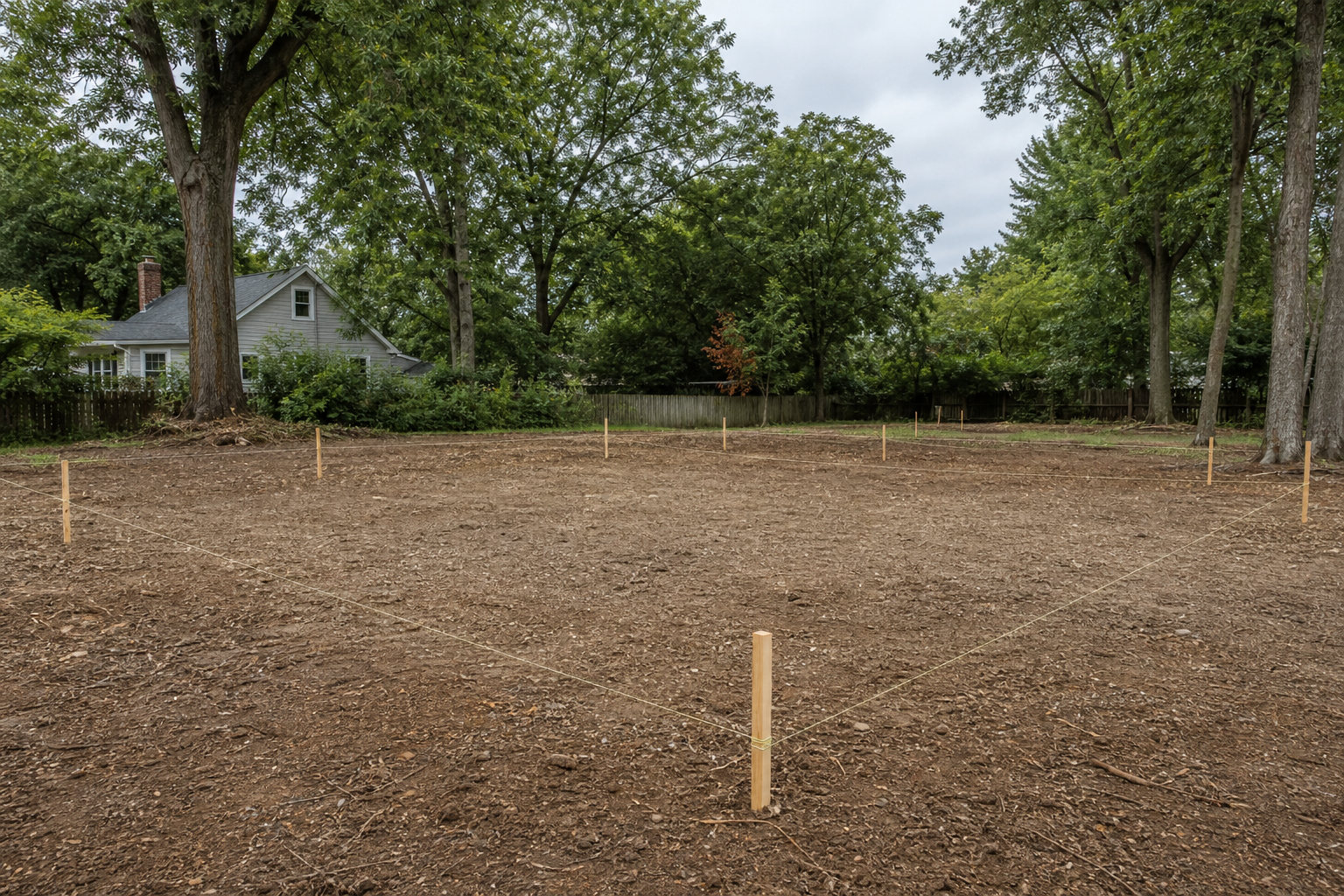
Boundary stakes mark the edges of a cleared lot before construction begins.
Frequently Asked Questions About Land for Sale
What is land for sale?
Land for sale is a vacant or undeveloped parcel of property listed on the market for purchase, with no existing home or commercial building on it. Buyers acquire this land to build, farm, develop, or hold as a long-term investment.
How do I find land for sale in South Florida?
The most reliable way is to search the local MLS through a licensed agent who has access to on-market and off-market listings. A South Florida-focused team can also flag parcels before they hit public search sites.
Why should I buy land for sale instead of an existing home?
Buying land lets you design and build exactly the home or business you want rather than renovating someone else's layout. It can also offer more flexibility on lot size, orientation, and finishes.
What is the difference between raw land and improved land for sale?
Raw land has no utilities, grading, or site work completed, while improved land already has access to water, sewer, or electric service and may be cleared. Improved parcels typically cost more but reduce pre-construction expenses.
How much does land for sale typically cost in Palm Beach County?
Prices vary widely by location and lot type, ranging from roughly $20,000 per acre for rural acreage to well over $1 million per acre for waterfront or main-road commercial parcels. Local zoning, utilities, and proximity to the coast heavily influence value.
How long does it take to close on land for sale?
A straightforward cash purchase of land for sale can close in two to four weeks, while financed or more complex transactions often take 30 to 60 days. Timelines extend further if surveys, environmental studies, or zoning approvals are required.
What are common mistakes when buying land for sale?
Common mistakes include skipping a title search, assuming utilities are already available, and failing to confirm zoning allows the intended use. Buyers also sometimes underestimate development costs beyond the purchase price.
What should I check before buying land for sale?
Always verify zoning, flood zone status, utility access, soil conditions, and a clear title before closing. A professional survey and a conversation with the local building department can prevent costly surprises.
Can I build immediately after buying land for sale?
Not always; many parcels require permitting, site plan approval, and utility hookups before construction can start. Buyers should budget extra time for permitting in addition to the land purchase itself.
Do I need a real estate agent to buy land for sale?
While not legally required, an experienced agent helps navigate zoning research, title issues, and negotiations that differ significantly from buying an existing home. This guidance often saves buyers time and money.
What financing options exist for land for sale?
Options include raw land loans, construction-to-permanent loans, and seller financing, though terms are typically stricter than standard mortgages. Lenders often require larger down payments for undeveloped parcels.
Is land for sale a good investment in South Florida?
Land in growing areas of South Florida has historically appreciated as population and development pressure increase. However, returns depend heavily on location, zoning changes, and holding costs like taxes.
What is the difference between residential and commercial land for sale?
Residential land is zoned for homes and is typically smaller, while commercial land is zoned for retail, office, or mixed-use projects and often carries higher per-acre pricing. Each zoning type comes with different permitted uses and development rules.
How do I check zoning on land for sale?
Zoning information is available through the county or municipal planning department, often searchable online by parcel number. Confirming zoning early prevents buying land that cannot support your intended use.
What documents are needed to close on land for sale?
Typical documents include the purchase contract, title commitment, survey, and any zoning or environmental disclosures. A closing agent or attorney coordinates these documents to finalize the transaction.
Final Thoughts on Buying Land for Sale
Finding the right land for sale in South Florida comes down to careful research, realistic budgeting, and the right local guidance. From zoning checks to utility access, each step in this guide helps reduce risk before you commit to a parcel. Above all, pairing that research with an experienced team familiar with Palm Beach County's market makes the process smoother from search to closing.
Whether you are considering a residential homesite, waterfront lot, or a commercial parcel, SoFlo Group at COMPASS can help you evaluate options and move forward with confidence. Contact Thomas Kornitzer at 561.645.9000 or thomas.kornitzer@compass.com to start exploring land for sale throughout South Florida today.
