Investment Properties South Florida: 2026 Buyer Guide
Explore investment properties South Florida buyers trust for strong returns. Get local market insight and connect with SoFlo Group at COMPASS today.
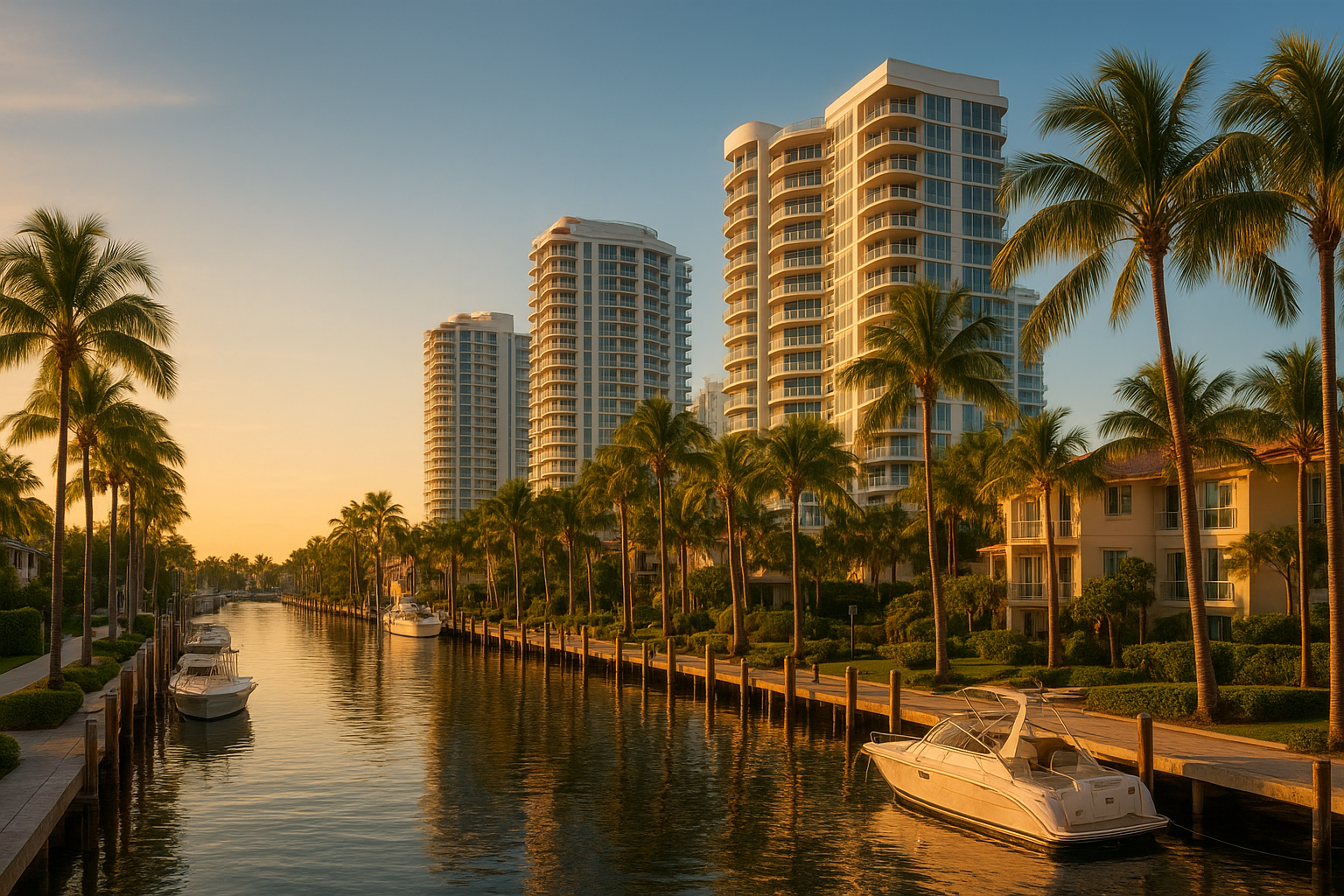
Investment properties South Florida buyers are chasing right now range from waterfront condos in Palm Beach to multifamily buildings in West Palm Beach. As a result, the region continues to draw attention from first-time landlords, seasoned investors, and buyers relocating from higher-tax states. This guide explains where to look, what to budget for, and how to move through the buying process with confidence.
Quick answer: Investment properties South Florida opportunities are strongest in Palm Beach County, where population growth, no state income tax, and steady rental demand support both residential and commercial purchases. However, insurance, HOA rules, and flood risk should factor into every offer.
What Are Investment Properties South Florida Buyers Should Know About?
Investment properties South Florida are residential or commercial assets purchased to generate rental income, long-term appreciation, or both, rather than to serve as a primary residence. In practice, this includes condos, single-family rentals, small multifamily buildings, and commercial spaces such as retail or office units.
Specifically, Palm Beach County has become a focal point because of its mix of year-round tourism, growing permanent population, and ongoing new construction. In addition, many buyers are drawn by Florida's lack of a state income tax, which can improve net returns compared with other states.
Waterfront condos are among the most sought-after investment properties South Florida has to offer.
Why South Florida Attracts Real Estate Investors
Several forces continue to draw investors toward South Florida real estate. For instance, according to the U.S. Census Bureau, Florida added more residents than almost any other state in recent years, which fuels ongoing demand for both rentals and resale homes.
Moreover, the area's tourism economy supports strong seasonal rental demand in coastal communities, while year-round employers in healthcare, finance, and technology support long-term leasing in inland submarkets. As a result, investors often diversify between short-term and long-term rental strategies within the same region.
Consequently, a region like South Florida offers a broader range of property types and price points than many single-city markets, which gives investors flexibility to match a property to their specific goals and budget.
Best South Florida Markets for Investment Properties
Not every South Florida city offers the same investment profile. Therefore, understanding neighborhood-level trends is essential before narrowing a search.
Palm Beach County Investment Hotspots
West Palm Beach, Boca Raton, Delray Beach, and Palm Beach Gardens are frequently cited by investors for their combination of job growth, walkable downtowns, and new development activity. Similarly, Wellington and Royal Palm Beach appeal to buyers targeting family rental demand, while Singer Island and Palm Beach Shores attract those focused on vacation rentals.
For example, this available Palm Beach County property listing illustrates the type of inventory investors are actively evaluating in today's market, while this residential listing shows a comparable option for buyers weighing single-family versus condo strategies.
In contrast, buyers interested in larger-scale opportunities may look toward commercial assets, such as this commercial property listing, which represents the kind of building or income-producing asset often sought by investors with a longer hold period in mind.
How to Buy Investment Properties in South Florida
Buying an investment property is a multi-step process. Below is a straightforward sequence that applies to most residential and commercial purchases in the region.
- Define your investment goals and budget. Decide whether the priority is monthly cash flow, long-term appreciation, or a combination, then set a realistic budget that accounts for closing costs and cash reserves.
- Research South Florida markets and property types. Compare cities for rental demand, price trends, and inventory so the chosen property type aligns with the overall strategy.
- Secure financing or confirm proof of funds. Get pre-approved for an investment-property loan, or prepare documentation for a cash purchase, so offers can move quickly.
- Partner with a local real estate team for property search and due diligence. An experienced advisor can review HOA documents, run comparable sales, and flag rental restrictions before an offer is submitted.
- Make an offer, complete inspections, and close. Negotiate terms, schedule inspections and appraisal, satisfy any financing conditions, and finalize the transaction through a title company.
Costs and Risks of South Florida Real Estate Investments
Although returns can be attractive, every investor should budget carefully. Property taxes, insurance, and HOA or condo fees vary significantly by city and building age. Notably, coastal insurance premiums in South Florida tend to run higher than inland markets due to storm and flood exposure.
Additionally, some condo associations restrict short-term rentals entirely, while others allow them with specific limits. Therefore, confirming rental rules before closing is one of the most important due diligence steps an investor can take.
Many repeat investors also use a 1031 exchange to defer capital gains tax when selling one investment property and reinvesting in another. This strategy, outlined by the IRS, can meaningfully improve long-term returns when used correctly and within required timelines.
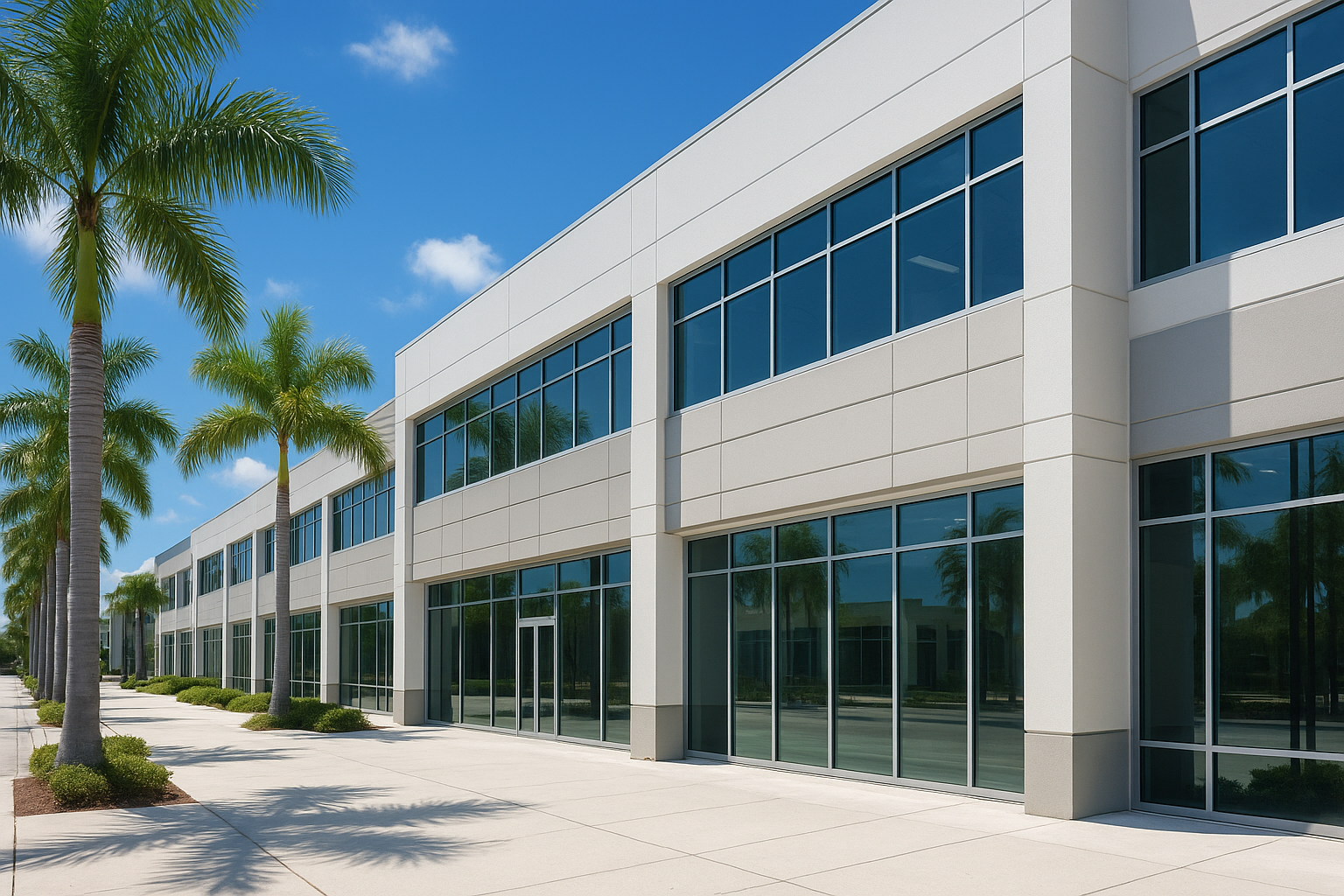
Commercial buildings add another option for investors exploring South Florida real estate.
Residential vs. Commercial Investment Properties
Residential investment properties, including condos, single-family rentals, and small multifamily units, typically appeal to buyers seeking more hands-on involvement and shorter lease terms. In contrast, commercial properties, such as retail, office, or mixed-use buildings, often come with longer leases and different financing structures.
Consequently, choosing between the two depends heavily on an investor's experience level, available capital, and desired level of involvement. Some investors start residential and expand into commercial sales, leasing, or building acquisitions as their portfolio grows.
Working with a Local Real Estate Team
Above all, local expertise matters in a market as varied as South Florida. SoFlo Group at COMPASS, led by Real Estate Advisor and Principal Agent Thomas Kornitzer, brings over 25 years of combined experience assisting buyers and sellers across Palm Beach County and surrounding areas. The team supports both residential and commercial transactions, including buyer representation, seller representation, home valuations, and investment sales.
For buyers exploring investment properties South Florida has to offer, this kind of local guidance can help identify suitable neighborhoods, interpret HOA and zoning considerations, and negotiate favorable terms. To start a property search or request a valuation, visit soflorealestate.com or review this helpful resource on whether South Florida is a good place to buy investment property.
Frequently Asked Questions
What are investment properties in South Florida?
Investment properties South Florida refers to residential or commercial real estate purchased to generate rental income, appreciation, or both, rather than to live in full time. Common types include condos, single-family rentals, multifamily buildings, and commercial spaces in Palm Beach County and nearby markets.
How much do investment properties cost in South Florida?
Prices vary widely by city and property type, with condos in some Palm Beach County communities starting in the mid six figures and luxury waterfront homes reaching well into the millions. Working with a local advisor helps narrow the search to properties that fit a specific budget and return goal.
Which South Florida cities are best for real estate investors?
West Palm Beach, Boca Raton, Delray Beach, and Palm Beach Gardens consistently draw investor interest due to job growth, tourism, and new development. Each market has different rental demand and price points, so matching the city to the investment strategy matters.
Is South Florida a good place to buy investment property?
South Florida remains a strong option for many investors because of steady population growth, no state income tax, and year-round rental demand. However, buyers should weigh insurance costs, HOA rules, and flood risk before closing.
What is the difference between residential and commercial investment properties?
Residential investment properties include condos, single-family homes, and small multifamily units typically rented to individuals or families. Commercial investment properties include office, retail, industrial, or mixed-use buildings leased to businesses, often with longer lease terms.
How do I finance an investment property in South Florida?
Most investors use a conventional investment-property mortgage, which typically requires a larger down payment than a primary residence loan. Cash purchases, portfolio loans, and 1031 exchange funds are also common financing paths for repeat investors.
What ongoing costs should investors expect?
Beyond the mortgage, investors should budget for property taxes, insurance, HOA or condo fees, maintenance, and property management if the owner is not local. Insurance costs in coastal South Florida can be higher than in inland markets, so getting a quote early is wise.
Are short-term rentals allowed in South Florida condos?
Rules vary significantly by building and municipality, with some associations banning short-term rentals entirely and others allowing them with restrictions. Always confirm rental policies with the HOA or condo association before purchasing for short-term rental income.
What is a 1031 exchange and how does it help investors?
A 1031 exchange allows an investor to defer capital gains tax by reinvesting proceeds from a sold property into a similar investment property within set IRS timelines. This strategy is commonly used by South Florida investors upgrading from one property to another.
How long does it take to close on an investment property?
A typical financed purchase closes in 30 to 45 days, while cash transactions can close in as little as two to three weeks. New construction and pre-construction purchases often take considerably longer due to build timelines.
What mistakes should new investors avoid?
Common mistakes include skipping a title and association review, underestimating insurance and HOA costs, and buying based on price alone without checking rental demand. Working with a knowledgeable local team helps investors avoid these costly missteps.
Should I work with a local real estate team when buying investment properties in South Florida?
Yes, a local team understands neighborhood-level pricing trends, association rules, and off-market opportunities that are difficult to find independently. This local knowledge is especially valuable in a fast-moving market where conditions can shift block by block.
Final Thoughts on Investment Properties South Florida
In summary, investment properties South Florida continue to offer a wide range of opportunities, from waterfront condos to commercial buildings across Palm Beach County and surrounding communities. Although returns can be strong, successful investing still depends on careful budgeting, understanding local rental rules, and choosing the right market for a specific strategy.
Ultimately, partnering with an experienced local team can make the difference between a smooth transaction and a costly misstep. For personalized guidance on buying or selling investment properties South Florida has to offer, reach out to SoFlo Group at COMPASS at 561.645.9000 or thomas.kornitzer@compass.com.