HUD Homes for Sale: Buyer's Guide to South Florida
Explore HUD homes for sale in South Florida. Learn how the bidding process works, financing options, and how SoFlo Group can guide your purchase.
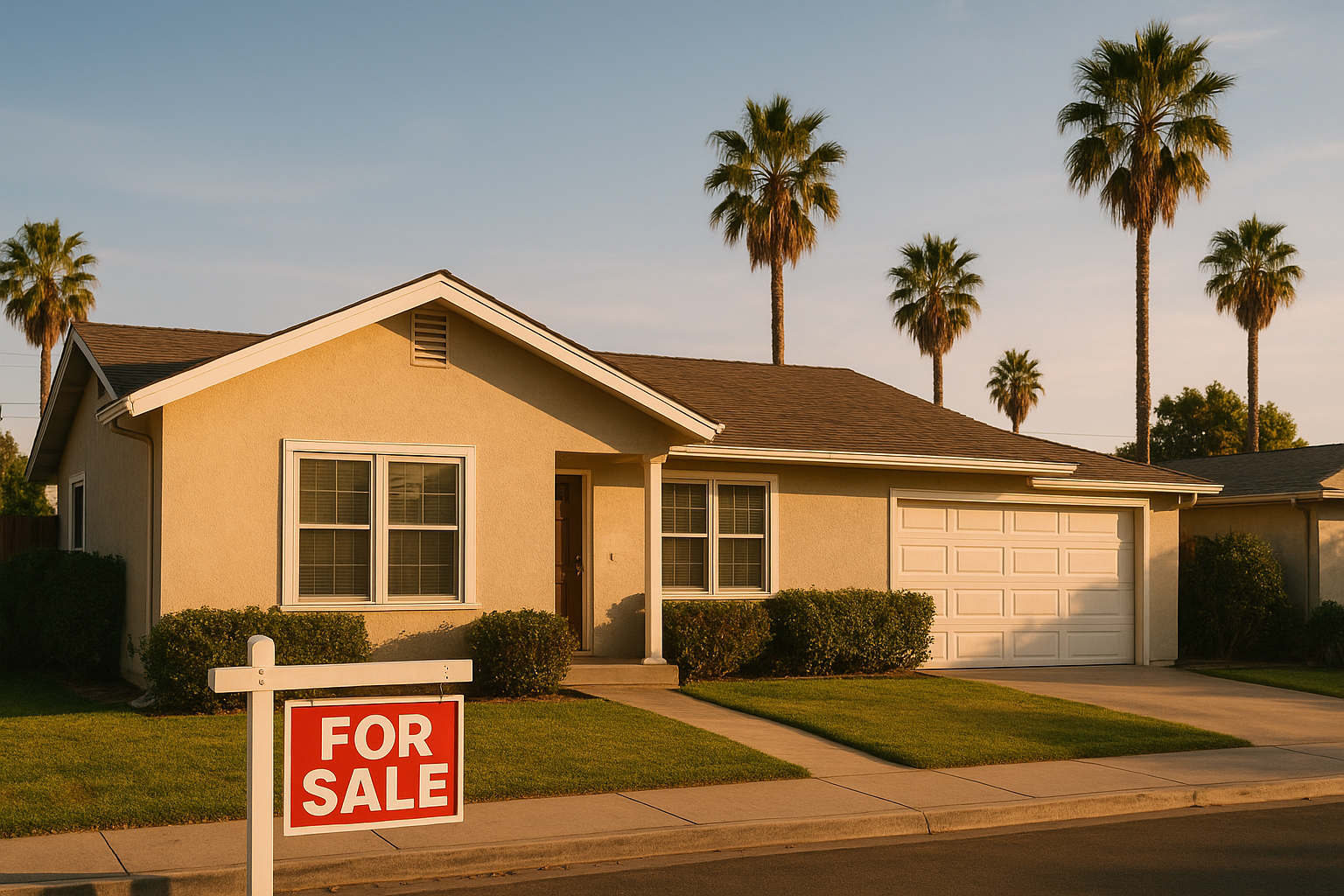
HUD homes for sale are foreclosed properties that the U.S. Department of Housing and Urban Development (HUD) takes ownership of after an FHA-insured mortgage defaults, then resells to the public through a structured online bidding system. For South Florida buyers hunting for an affordable entry point into homeownership, these listings can represent a genuine opportunity. However, the process works quite differently from a standard resale purchase, so understanding the rules before you bid really matters. This guide goes beyond the basics to cover exactly how HUD homes for sale are listed and priced, the full step-by-step bidding process, financing programs including the Good Neighbor Next Door incentive, HUD land and vacant-lot listings, and the mistakes that trip up first-time bidders most often. In addition, you'll learn how SoFlo Group at COMPASS can guide your bid from search to closing anywhere in Palm Beach, Broward, or Miami-Dade County.
Quick answer: HUD homes for sale are government-owned foreclosures resold through HUD's Home Store bidding platform, with owner-occupant buyers getting exclusive priority for roughly the first 5 to 30 days of a listing (the exact window varies by property) before investors are permitted to bid.
HUD homes for sale often carry below-market pricing but require an as-is purchase mindset.
What Are HUD Homes for Sale?
In short, HUD homes for sale are single-family residences, condos, and small multi-unit properties financed with FHA-insured loans (mortgages backed by the Federal Housing Administration) that went to foreclosure, after which the deed transferred to HUD. The agency does not build or manage housing itself; instead, it takes title to these properties when a lender files an insurance claim and lists them through its official Home Store platform so the public can bid.
Because these homes originate from federally insured loans, HUD sets specific rules for how bids are submitted and who can bid first. According to HUD's official guidance, owner-occupant buyers typically get an exclusive listing period before investors are allowed to submit offers. This rule exists specifically to give everyday families a fair shot at homeownership before larger investment groups step in.
For more background on the agency itself, the Wikipedia entry on HUD offers useful context on its role within federal housing policy, including how FHA insurance claims ultimately lead to HUD taking ownership of a property.
Understanding HUD Listing Status Codes
Every HUD listing displays a short status code, and learning to read it saves time. Generally, listings marked as "insured" meet FHA minimum property standards and qualify for FHA financing, while "uninsurable" listings need repairs before any FHA-backed loan can close. Similarly, codes that indicate "exclusive" mean only owner-occupants and approved nonprofits may bid during that window, whereas "extended" or open status means investors can compete as well. Consequently, checking the status code before you fall in love with a property can prevent wasted time chasing a home you are not yet eligible to bid on.
HUD Homes for Sale vs. Bank-Owned Foreclosures and Short Sales
Unlike a typical bank-owned foreclosure, HUD properties move through a centralized federal system rather than an individual lender's asset management team. As a result, the bidding rules are standardized nationwide, and pricing decisions follow a formula based on appraised value rather than open negotiation.
Furthermore, HUD requires that every bid pass through a broker registered in its online system, so individual buyers cannot submit offers directly. In contrast, many conventional bank-owned foreclosures allow buyers to negotiate terms more freely with the lender's listing agent, and short sales involve negotiating directly with a struggling homeowner's lender. Consequently, working with a South Florida agent who understands all three processes can save time and prevent missed opportunities.
- HUD homes for sale: Government-owned, bid through a registered broker, owner-occupant priority period, fixed appraisal-based pricing.
- Bank-owned (REO) foreclosures: Lender-owned, more flexible negotiation, no owner-occupant priority window.
- Short sales: Homeowner still holds title, lender must approve the sale price, timelines can stretch for months.
- Traditional resale: Open-market negotiation directly with the seller, no government bidding platform involved.
Where to Find HUD Homes for Sale in South Florida
HUD's Home Store website lists every available property nationwide, filterable by state and county, which makes it possible to narrow results down to Palm Beach, Broward, or Miami-Dade County. That said, listings change frequently, and desirable South Florida properties can move fast once the owner-occupant period opens.
In addition to checking HUD's national database, buyers benefit from browsing broader local inventory to understand pricing context. For example, exploring current South Florida residential listings and comparable available properties can help you understand pricing benchmarks in the neighborhoods you're targeting, even when the specific listing isn't a HUD property. Similarly, reviewing an active listing such as this South Florida property or this available home gives you a real-world sense of what comparable move-in-ready inventory costs versus a HUD as-is bid.
Using Property Search Tools for HUD Foreclosures
Because HUD listings appear and disappear quickly, setting up alerts through a knowledgeable local team is often more efficient than manually refreshing a government site. Similarly, if you're comparing HUD properties against standard resale inventory, our complete South Florida homebuyer's guide walks through neighborhood-by-neighborhood considerations that apply whether a home is a government foreclosure or a traditional listing.
HUD Land Listings and Multi-Unit Properties
Beyond single-family homes, HUD occasionally lists vacant land, teardown lots, and small multi-unit buildings of two to four units. Specifically, these land and multi-unit opportunities require extra diligence around zoning, utility access, and title history before bidding, since HUD provides no survey or condition guarantee. If a two- to four-unit HUD property catches your eye, our multi-family homes guide explains financing requirements and owner-occupancy rules that differ from a standard single-family bid. Above all, confirm with your agent whether a vacant lot carries buildable zoning before you commit funds to a bid.
How to Buy a HUD Home for Sale: Step-by-Step Bidding Process
Buying a HUD home follows a fairly specific sequence. Below is the complete process most South Florida buyers can expect to follow from start to finish.
- Get pre-approved and find a HUD-registered agent. Secure mortgage pre-approval or confirm your cash funds, then partner with an agent registered to bid through HUD's system since individual buyers cannot submit bids on their own.
- Search current HUD home listings. Review available properties in your target South Florida area, noting the listing period status, list price, and whether the home is still within the owner-occupant exclusive window.
- Schedule a showing and independent inspection. Tour the property and arrange a professional inspection to identify repair needs, since HUD sells every home as-is without any condition warranties or disclosures.
- Prepare your earnest money deposit. HUD requires a deposit, typically a few thousand dollars depending on list price, submitted alongside your bid and held until closing or forfeited if you default without an approved contingency.
- Submit your bid before the deadline. Have your agent submit an electronic bid before the current period closes, including proof of financing or available funds, then wait for HUD's automated review of all submitted offers.
- Finalize financing and close on the property. Once accepted, complete any remaining loan underwriting and contingencies, then proceed to closing, which usually takes thirty to sixty days depending on financing type.
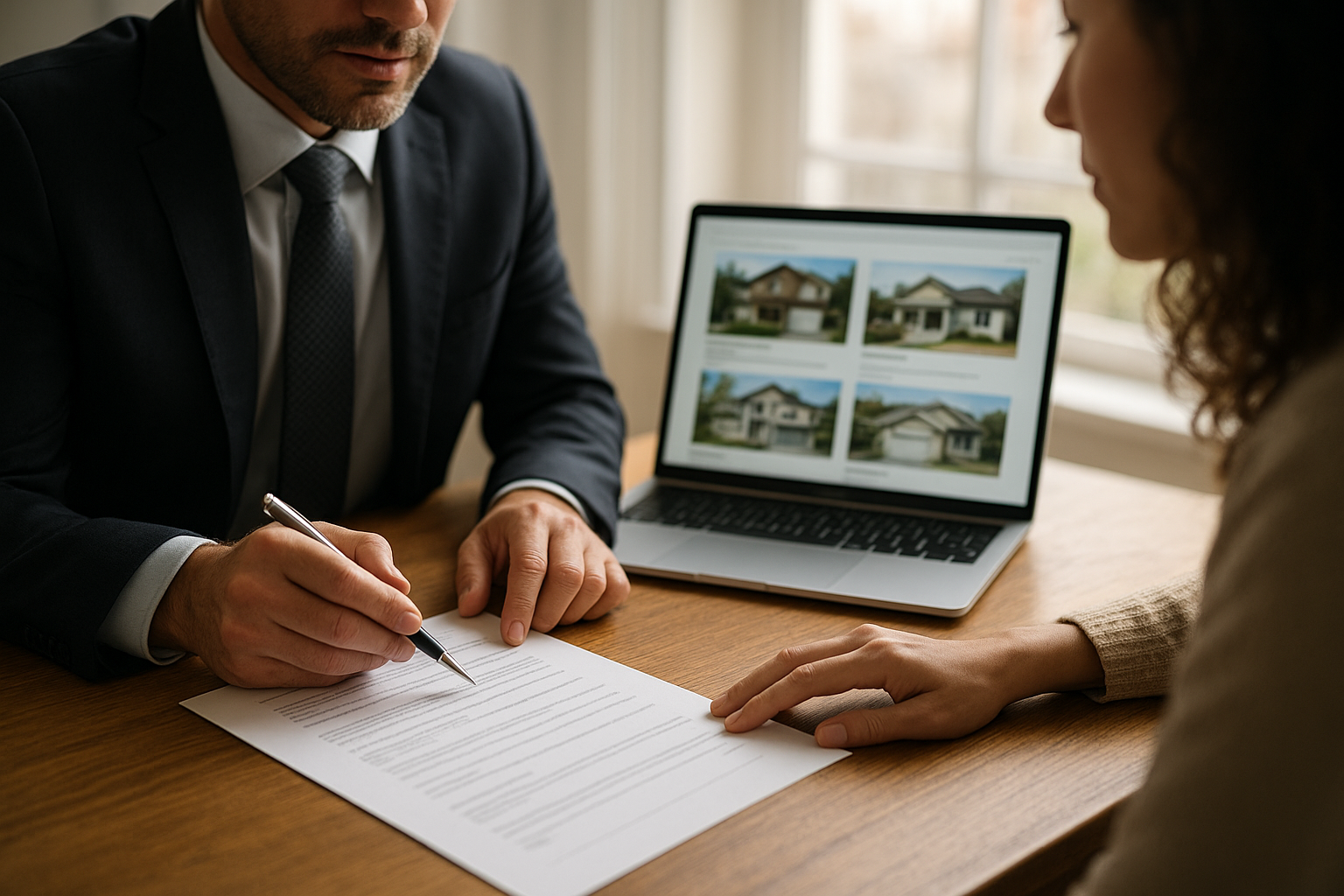
An agent registered with HUD must submit every bid on your behalf, which is a key difference from ordinary resale offers.
Financing Options for HUD Homes for Sale
Most buyers can finance a HUD home much like any other purchase, using conventional loans, FHA loans, or cash. That said, homes needing significant repairs may not meet standard FHA lending guidelines, since lenders typically require the property to be habitable at closing.
In those situations, an FHA 203(k) rehabilitation loan can be a useful alternative, since it wraps renovation costs directly into the mortgage itself. For general guidance on mortgage products and consumer protections, the Consumer Financial Protection Bureau offers a helpful overview of financing considerations that apply to distressed property purchases as well.
The Good Neighbor Next Door Program
Notably, teachers, law enforcement officers, firefighters, and emergency medical technicians may qualify for HUD's Good Neighbor Next Door program, which offers eligible HUD homes at a 50 percent discount in designated revitalization areas. In exchange, participants must commit to living in the home as their sole residence for 36 months. While availability in South Florida varies, it's worth asking your agent to flag any Good Neighbor Next Door eligible listings alongside standard HUD inventory.
Weighing the Pros and Cons of HUD Homes for Sale
On the upside, HUD homes for sale often carry pricing below comparable resale listings, and the owner-occupant priority period gives regular buyers a real advantage over investors. Additionally, the process is transparent, since bidding rules and timelines are published openly for every listing.
- Pros: Below-market pricing, transparent bidding, owner-occupant priority, wide range of property types including land.
- Cons: Strictly as-is sales, no seller repairs, competitive bidding once investors enter, financing can be harder on distressed properties.
On the other hand, these homes are sold strictly as-is, and repair costs can be significant. Consequently, buyers should always budget extra funds for inspections, contingencies, and potential renovation work before committing to a bid. Comparing a HUD property against similar move-in-ready options, such as this current South Florida listing, this available home, or this comparable property, can help put the true value of a HUD bid into perspective.
Common Mistakes to Avoid When Bidding on HUD Homes for Sale
Even experienced buyers stumble on a few predictable issues. Therefore, it helps to review the most frequent errors before you submit your first bid.
- Skipping a professional inspection and discovering major repair costs after closing.
- Missing the bid deadline time, since HUD typically closes bidding at a set time each business day.
- Assuming you can negotiate directly; all communication must flow through a registered broker.
- Failing to confirm financing or earnest money funds before submitting, which can disqualify a winning bid.
- Overlooking HUD's status codes and bidding on a property you are not yet eligible for.
Working With SoFlo Group at COMPASS for HUD Home Purchases
SoFlo Group at COMPASS, led by Real Estate Advisor and Principal Agent Thomas Kornitzer, brings over 25 years of combined experience to buyers navigating South Florida's residential market, including communities such as Boca Raton, Delray Beach, and West Palm Beach. The team assists buyers with property searches, negotiations, and transaction guidance, whether the property in question is a HUD home, a vacant lot, a new-construction unit, or a traditional resale.
If you would like assistance evaluating a HUD listing, comparing it against other available South Florida properties, or simply understanding whether a government-owned foreclosure fits your goals, you can reach the team by phone at 561.645.9000 or by email at thomas.kornitzer@compass.com. You can also explore current listings and resources directly at soflorealestate.com.
Frequently Asked Questions About HUD Homes for Sale
What are HUD homes for sale?
HUD homes for sale are single-family properties that were financed with FHA-insured mortgages and went into foreclosure, after which ownership passed to the U.S. Department of Housing and Urban Development. HUD then resells these properties to the public through an online bidding process.
How do HUD homes for sale differ from bank-owned foreclosures?
HUD homes are sold by a federal agency using a structured bidding platform and set exclusive periods, while bank-owned foreclosures are sold directly by lenders with more flexible negotiation. HUD also prioritizes owner-occupant buyers before investors can bid.
How can I find HUD homes for sale in South Florida?
HUD homes are listed on HUD's official Home Store website and must be viewed and bid on through a HUD-registered real estate broker. A local South Florida agent can also monitor new listings across Palm Beach, Broward, and Miami-Dade counties on your behalf.
Who is eligible to buy a HUD home?
Any buyer can bid on a HUD home, but owner-occupant buyers who plan to live in the property get first priority during the initial listing period. Investors and other buyers can bid once that exclusive period ends.
Do I need a real estate agent to buy a HUD home?
Yes, HUD requires all bids to be submitted through a real estate broker registered with HUD's bidding system; individuals cannot bid directly. Working with an experienced local agent also helps you evaluate condition and pricing.
How does the HUD bidding process work?
Your agent submits an electronic bid within the current listing period, and HUD reviews all bids after that period closes to select the offer that provides the best net return. If no bids are accepted, the property typically reopens for a new round.
How much does it cost to buy a HUD home?
Pricing varies widely by location and condition, since HUD sets an initial list price based on an appraisal and may lower it if the home does not sell. Buyers should also budget for inspections, repairs, and standard closing costs.
How long does it take to close on a HUD home?
Closing on a HUD home usually takes 30 to 60 days after a winning bid is accepted, depending on financing and any required repairs. Cash purchases can close faster than financed transactions.
Can I get FHA financing for a HUD home?
In many cases, yes, buyers can use FHA loans, conventional financing, or other mortgage products to purchase a HUD home, provided the property meets minimum lending standards. Homes needing significant repairs may qualify for FHA 203(k) rehabilitation loans instead.
What condition are HUD homes for sale usually in?
HUD homes are sold as-is and can range from move-in ready to properties needing substantial repair, since HUD does not typically renovate homes before listing them. An independent inspection is strongly recommended before bidding.
What common mistakes should buyers avoid with HUD homes for sale?
Common mistakes include skipping a professional inspection, underestimating repair costs, and missing bidding deadlines during the exclusive owner-occupant period. Buyers should also confirm financing is fully lined up before submitting a bid.
Are HUD homes for sale a good investment in South Florida?
HUD homes for sale can offer below-market pricing in desirable South Florida areas, making them appealing to both owner-occupants and investors willing to handle repairs. However, returns depend heavily on location, condition, and renovation costs.
Can first-time buyers purchase HUD homes for sale?
Yes, first-time buyers are common purchasers of HUD homes, especially since owner-occupants receive priority bidding status over investors. First-time buyers should still work with an agent and lender familiar with the HUD process.
What time are HUD home bids due?
HUD generally sets a specific daily deadline, often in the early evening Central Time, for bids to be submitted electronically before the listing period closes. Therefore, confirm the exact cutoff with your registered broker, since missing it means waiting for the next bidding round.
Can I negotiate the price of a HUD home?
Not directly. Instead of open negotiation, HUD evaluates all bids received during a listing period and accepts the one offering the best net return to the agency, so buyers compete through pricing rather than back-and-forth discussion.
What is the Good Neighbor Next Door program?
The Good Neighbor Next Door program lets eligible teachers, firefighters, law enforcement officers, and EMTs purchase qualifying HUD homes for sale at a 50 percent discount in designated revitalization areas, in exchange for a 36-month owner-occupancy commitment.
Does HUD sell vacant land or lots for sale?
Occasionally, yes. HUD lists vacant land and teardown lots alongside single-family homes in certain markets, and buyers should verify zoning, utility access, and title history carefully before bidding, since no condition guarantees are provided.
Final Thoughts on HUD Homes for Sale
Ultimately, HUD homes for sale can be a smart entry point into South Florida homeownership, particularly for owner-occupant buyers who take advantage of the priority bidding window. That said, success depends on moving quickly, budgeting for as-is condition, and working with a broker registered to bid through HUD's system. Therefore, pairing careful due diligence with experienced local guidance makes the difference between a stressful process and a smooth one. If you're ready to explore HUD homes for sale alongside other South Florida opportunities, the SoFlo Group at COMPASS team is available at 561.645.9000 or thomas.kornitzer@compass.com to help you evaluate options and move confidently toward closing.