Houses for Sale Miami: A Complete 2026 Buyer Guide
Browse houses for sale miami buyers trust, compare South Florida neighborhoods and prices, then connect with SoFlo Group for expert guidance.
Anyone typing "houses for sale miami" into a search engine is usually hoping for fast, accurate listings and honest guidance on Miami-Dade County neighborhoods. Indeed, Miami's real estate market moves quickly, and prices, inventory, and financing rules shift from one quarter to the next. Consequently, buyers need current information rather than outdated assumptions. This guide breaks down what today's Miami housing market looks like, which neighborhoods deserve a closer look, and how a South Florida real estate team such as SoFlo Group at COMPASS can help buyers and sellers move forward with confidence.
What Does "Houses for Sale Miami" Mean for Buyers?
Quick answer: Houses for sale miami is the common search phrase buyers use to find single-family homes, townhomes, and condos currently listed across Miami-Dade County. It spans everything from waterfront estates in Coconut Grove to compact condos in Brickell. Because inventory changes daily, working with a live listing feed and a knowledgeable local agent matters more than relying on outdated portals.
Furthermore, the phrase often signals intent to compare neighborhoods, price ranges, and property types before scheduling a tour. For example, a buyer might weigh a historic bungalow in Little Havana against a new-construction townhome near Doral. Similarly, some buyers use the term while researching investment properties or vacation homes rather than primary residences. As a result, the most useful search results combine live MLS data with local context, such as flood zones, HOA rules, and resale trends unique to South Florida.
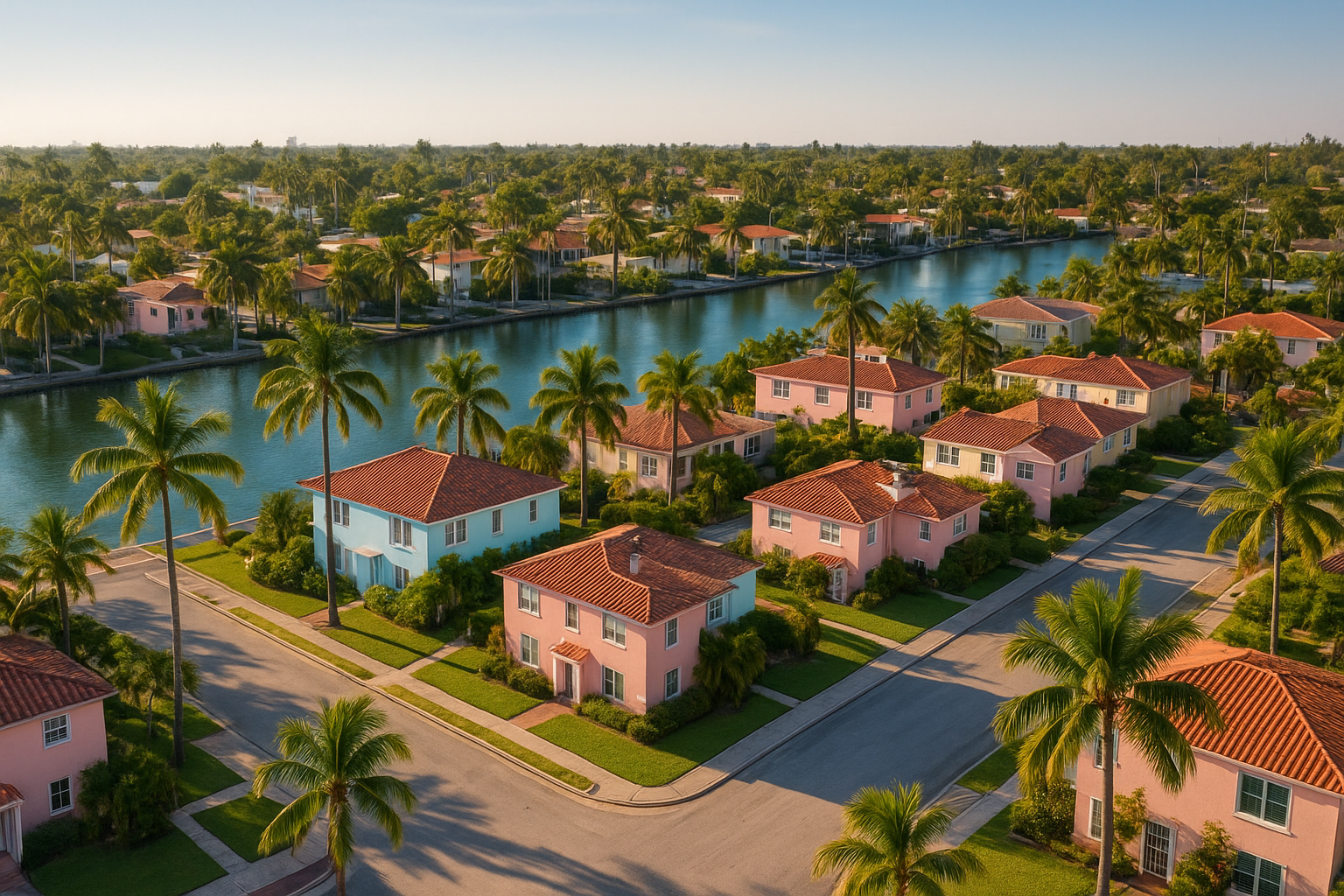
Miami-Dade's varied neighborhoods explain why houses for sale miami searches often start with a comparison of areas rather than a single price point.
Understanding the Miami Real Estate Market
Miami's housing market has cooled slightly from its post-pandemic peak, yet demand remains strong among domestic relocators and international buyers alike. In particular, Miami-Dade County continues to draw residents from higher-tax states, which keeps competition steady for well-priced homes. However, rising insurance costs and higher mortgage rates have made some buyers more cautious, leading to longer negotiation periods on higher-priced listings. Therefore, understanding both the numbers and the local regulations is essential before writing an offer.
Median Prices and Key Market Statistics
According to Florida Realtors, the median sale price for single-family homes in Miami-Dade County has generally hovered in the mid-$600,000s in recent reporting periods, while condo prices trend lower due to a mix of smaller units. Additionally, the U.S. Census Bureau notes that Miami-Dade remains one of Florida's more expensive metro areas, driven by limited land supply and steady migration. As a result, buyers searching for houses for sale miami should expect some competition on move-in-ready properties under $700,000.
Top Neighborhoods for Miami Homes for Sale
Miami is not one market; rather, it is a collection of distinct neighborhoods, each with its own price point and lifestyle. Coral Gables, for instance, appeals to buyers who want tree-lined streets, historic architecture, and strong schools. Coconut Grove offers a laid-back, walkable feel with waterfront access nearby, while Brickell and Edgewater attract buyers seeking high-rise condo living close to downtown employment centers.
For families and retirees who also consider markets north of Miami-Dade, Palm Beach County communities such as Boca Raton, Delray Beach, and West Palm Beach frequently come up in the same conversation. In fact, many buyers comparing houses for sale miami also look at Palm Beach County listings before deciding where to plant roots. SoFlo Group at COMPASS serves both regions, which allows buyers to compare South Florida options side by side rather than researching two separate markets alone through soflorealestate.com.
Comparing Miami neighborhoods against nearby Palm Beach County communities helps buyers narrow down the right South Florida fit.
How to Buy a House in Miami: A Step-by-Step Process
Regardless of neighborhood, the buying process generally follows a similar path. The steps below outline how most successful Miami purchases unfold, from budgeting through closing day.
- Get pre-approved. Define your budget and secure mortgage pre-approval so you understand your price range and can submit a stronger, more credible offer.
- Identify target neighborhoods. Compare commute times, flood zone maps, and HOA rules across a short list of Miami-Dade communities that match your lifestyle.
- Tour homes with a local agent. Work with a buyer's agent familiar with Miami-Dade who can flag building assessments, permit issues, or pricing red flags during showings.
- Submit an offer and negotiate. Structure your offer with financing, inspection, and appraisal contingencies to protect your interests throughout the negotiation process.
- Complete inspections and close. Review the title report, insurance quotes, and closing disclosure carefully before signing documents at the closing table to finalize the purchase.
Comparing Miami to Other South Florida Markets
Because South Florida spans multiple counties, it helps to compare Miami-Dade with nearby markets before committing to a location. In contrast to Miami's dense urban core, Palm Beach County towns such as Wellington, Jupiter, and Royal Palm Beach offer larger lots and a slower pace, which appeals to families and retirees. Similarly, Boca Raton and Delray Beach combine walkable downtowns with beach access, much like parts of Miami, but often with lower density. On the other hand, commercial investors frequently compare Miami's leasing rates against Palm Beach County submarkets when evaluating retail, office, or multifamily opportunities. SoFlo Group at COMPASS works across Palm Beach County and the broader South Florida region, which means buyers weighing Miami against these alternatives can get comparative guidance rather than a single-market perspective.
Hidden Costs to Budget For When Buying in Miami
Beyond the purchase price, several recurring costs affect affordability in Miami-Dade County. Property insurance, for example, has risen sharply due to hurricane exposure, and buyers near flood zones may need separate flood coverage through the National Flood Insurance Program, as described by the Federal Emergency Management Agency. In addition, condo buyers should review association reserve studies, since many buildings raised monthly fees after statewide structural-safety legislation passed. Property taxes also vary by municipality, so it is worth confirming the current millage rate before finalizing a budget. Finally, closing costs in Florida typically run between 2 and 5 percent of the purchase price, covering title insurance, recording fees, and lender charges. Consequently, buyers who account for these costs upfront avoid last-minute surprises at the closing table.
Why Work With a Local South Florida Real Estate Team
Given how many variables affect a Miami purchase, from insurance to HOA reserves, local expertise matters. Thomas Kornitzer, Real Estate Advisor and Principal Agent for SoFlo Group at COMPASS, brings more than 25 years of combined team experience to buyers and sellers across South Florida. Rather than relying solely on public listing portals, buyers working with an established local team gain access to market analysis, off-market opportunities, and negotiation support tailored to South Florida conditions. Likewise, sellers benefit from pricing strategy, professional presentation, and marketing exposure designed to attract serious offers quickly. Whether you are comparing houses for sale miami against Palm Beach County options or preparing to list a property, visiting soflorealestate.com or calling 561.645.9000 connects you with guidance built on trust and local market knowledge.
Featured Properties to Explore
To see current examples of what is available across South Florida right now, browse the listings below. Each one offers a snapshot of pricing, features, and location that can help sharpen your own search criteria.
- View this South Florida residential listing for a sense of current pricing and features.
- Explore this available home to compare layout and neighborhood details.
- Check out this property listing for additional market context.
- Browse this residential option for another example of what buyers can expect.

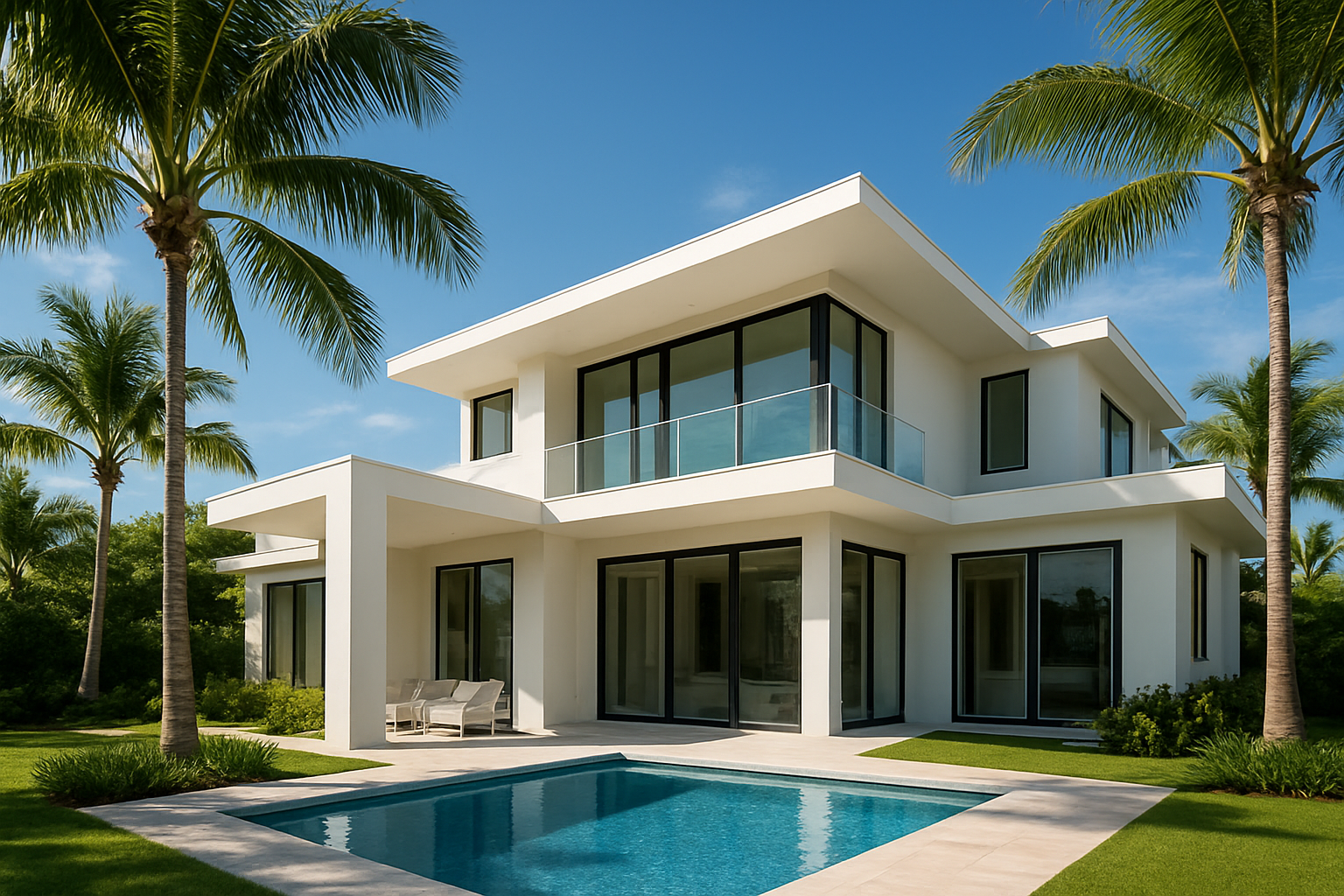
Interior finishes like these are common among featured South Florida listings buyers review alongside Miami options.
Frequently Asked Questions About Houses for Sale Miami
What does houses for sale miami actually mean?
Houses for sale miami is the common search phrase buyers use to find single-family homes, townhomes, and condos currently listed across Miami-Dade County. It covers everything from waterfront estates to compact condos.
How much do houses cost in Miami right now?
Median single-family home prices in Miami-Dade County have generally sat in the mid-$600,000s in recent reporting, though prices vary widely by neighborhood. Condos often trend lower due to smaller unit sizes.
How long does it take to buy a house in Miami?
Most Miami home purchases take roughly 30 to 60 days from accepted offer to closing, depending on financing and inspection timelines. Cash purchases and simpler condo deals can close faster.
What is the best neighborhood for families in Miami?
Coral Gables and Pinecrest are frequently recommended for families due to school quality and larger lot sizes. However, the right fit depends on commute distance and budget as well.
Are Miami condos a better investment than single-family homes?
It depends on your goals; condos often offer lower entry prices and amenities, while single-family homes typically appreciate more steadily and carry fewer association restrictions. Reserve requirements should be reviewed carefully before buying a condo.
What common mistakes do buyers make in the Miami market?
Common mistakes include skipping pre-approval, underestimating insurance costs, and overlooking flood zone status. Buyers also sometimes ignore condo reserve studies before making an offer.
Do I need flood insurance in Miami?
Many Miami-Dade properties sit in mapped flood zones and require separate flood insurance through the National Flood Insurance Program. A lender or agent can confirm zone status before you make an offer.
Should I buy new construction or an existing home in Miami?
New construction often includes updated building codes and warranties, while existing homes may offer more established neighborhoods and lower price points. The right choice depends on budget, timeline, and personal priorities.
What is the best time of year to buy a house in Miami?
Inventory often rises slightly in late summer and early fall, which can give buyers more negotiating room. Winter months tend to bring more competition from seasonal and relocating buyers.
How much should I budget for closing costs in Miami?
Closing costs in Florida typically run between 2 and 5 percent of the purchase price. This covers title insurance, recording fees, and lender charges, among other items.
Can I buy a house in Miami as a non-resident or foreign buyer?
Yes, non-residents and foreign buyers regularly purchase property in Miami-Dade County, though financing options and tax rules can differ. Working with an experienced agent and tax advisor is strongly recommended.
Should I work with a real estate agent when buying in Miami?
Working with a local agent generally helps buyers avoid pricing mistakes and navigate condo or HOA rules more confidently. Agents also provide access to off-market opportunities that public portals may not show.
What other South Florida markets should I compare to Miami?
Buyers often compare Miami to Palm Beach County communities such as Boca Raton, Delray Beach, and West Palm Beach for a different pace and lot size. Comparing both regions side by side can clarify the right long-term fit.
Final Thoughts
Ultimately, searching for houses for sale miami works best when paired with current data, realistic budgeting, and a knowledgeable local partner. Miami-Dade's neighborhoods each offer distinct trade-offs between price, lifestyle, and long-term resale potential, while nearby Palm Beach County markets provide additional options worth comparing. As mortgage rates and insurance costs continue to shift, buyers who lean on professional guidance tend to move faster and negotiate more confidently. Whether you are ready to tour homes, request a valuation, or simply compare South Florida communities, reaching out to SoFlo Group at COMPASS through soflorealestate.com or 561.645.9000 is a practical next step toward finding the right property.