Foreclosed Homes for Sale in South Florida Guide
Explore foreclosed homes for sale in South Florida, learn the buying process, risks, and financing tips, and connect with SoFlo Group at COMPASS.
Foreclosed homes for sale can offer some of the strongest pricing opportunities in the South Florida market, but they rarely follow the same path as a typical resale listing. Because a lender or government agency now owns the property, the paperwork, condition, and negotiation process all look different. In addition, timelines can vary depending on whether the home is bank-owned, sold at auction, or still in pre-foreclosure. This guide walks through how the process works, where to search, and what to weigh before making an offer on a distressed property anywhere from Boca Raton to West Palm Beach.
Quick answer: Foreclosed homes for sale are properties that a lender or government agency has repossessed after the owner defaulted on their mortgage. They are typically resold below market value through bank-owned listings, auctions, or government inventory programs such as HUD's homes site.
What Are Foreclosed Homes for Sale?
Foreclosed homes for sale are residential or commercial properties that a bank, lender, or government agency has taken back after the previous owner stopped making mortgage payments. Once repossessed, the lender lists the home to recover the unpaid loan balance. In South Florida, these properties span every price range, from starter condos near Riviera Beach to waterfront estates in Manalapan.
Generally speaking, these homes fall into a few categories. A pre-foreclosure is still owned by the original homeowner, who may sell it to avoid losing the property entirely. An REO (real estate owned) home has already been repossessed and is owned directly by the lender. Meanwhile, an auction property is sold at a public sale, often through the county court system, before the lender takes full ownership. As a result, each category carries a different level of risk and access to information.
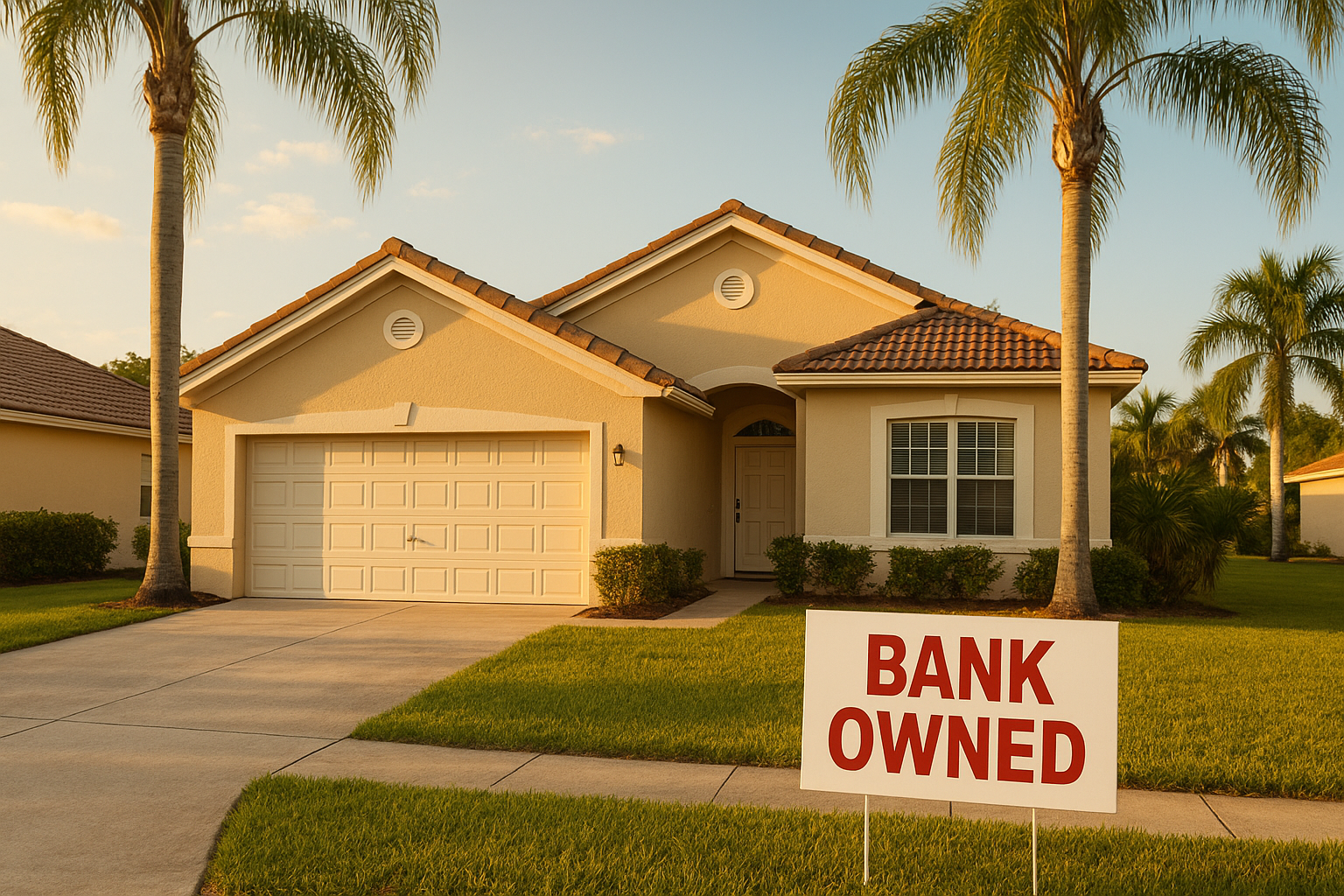
Foreclosed homes for sale often carry visible signage while lenders work to resell the property quickly.
How the Foreclosure Process Works in Florida
Florida is a judicial foreclosure state, which means a lender must file a lawsuit and receive court approval before repossessing a home. According to the Consumer Financial Protection Bureau, this court-supervised process can take several months to more than a year to complete, which is notably longer than the timeline in many non-judicial states. Consequently, by the time a property reaches the market as a foreclosed home for sale, the previous owner has often been out of the house for a considerable period.
During this window, the property may sit vacant. Therefore, deferred maintenance, landscaping neglect, or even vandalism can become factors buyers need to inspect closely. For a deeper look at how the legal process works nationally, the Wikipedia overview of foreclosure offers useful background on how lenders and courts handle defaulted loans.
Where to Find Foreclosure Listings in South Florida
Several public and private channels list foreclosure inventory. The U.S. Department of Housing and Urban Development maintains a searchable database of government-owned homes through HUD.gov, while government-sponsored lenders operate their own portals, including Fannie Mae's HomePath and Freddie Mac's HomeSteps programs. In addition, county clerk websites publish upcoming auction calendars for properties still moving through the court system.
That said, many bank-owned homes also appear directly on the regional MLS alongside standard resale listings. For example, buyers researching current South Florida inventory can review listings such as this Palm Beach County residence, this single-family home, or this available property to get a sense of pricing and condition across neighborhoods. Working with an advisor who monitors these sources daily, similar to the approach used by SoFlo Group at COMPASS, helps buyers act before well-priced homes disappear.
Pros and Cons of Buying a Bank-Owned Property
Above all, pricing is the main draw. However, savings can come with trade-offs, so it helps to weigh both sides before writing an offer.
- Pro: Bank-owned homes are frequently priced below comparable resale listings to encourage a faster sale.
- Pro: Unlike auctions, most REO listings allow a standard inspection period before closing.
- Con: Properties sell as-is, so the lender will not make repairs or offer credits for defects.
- Con: Vacant homes may have deferred maintenance, pest issues, or outdated systems.
- Con: Popular listings can attract multiple offers, including cash buyers and investors.
How to Buy a Foreclosed Home Step by Step
Because the process differs from a standard purchase, it helps to follow a clear sequence. The steps below outline a typical path from search to closing.
- Get pre-approved with the right financing. Contact a lender before searching so you understand whether a conventional loan, an FHA 203k renovation loan, or cash will work best for the property condition you expect to encounter.
- Build a local team you trust. Work with a real estate advisor familiar with foreclosure inventory, plus a title company and inspector who understand South Florida liens, permits, and homeowners association rules.
- Search foreclosure and REO listings across South Florida. Review bank-owned listings, county auction calendars, and government inventory sites regularly, since new foreclosed homes for sale can appear and sell quickly in competitive markets like this Boca Raton area listing.
- Order an independent inspection. Schedule a full inspection during your contract period to identify structural, plumbing, electrical, or roofing issues that are common in vacant or long-neglected properties.
- Submit a strong, well-documented offer. Provide proof of funds or a solid pre-approval letter along with your offer, since bank asset managers typically prioritize buyers who can close quickly without financing delays.
- Clear title issues and close carefully. Confirm during the title search that any outstanding liens, unpaid taxes, or HOA balances are resolved before closing so ownership transfers to you free and clear.
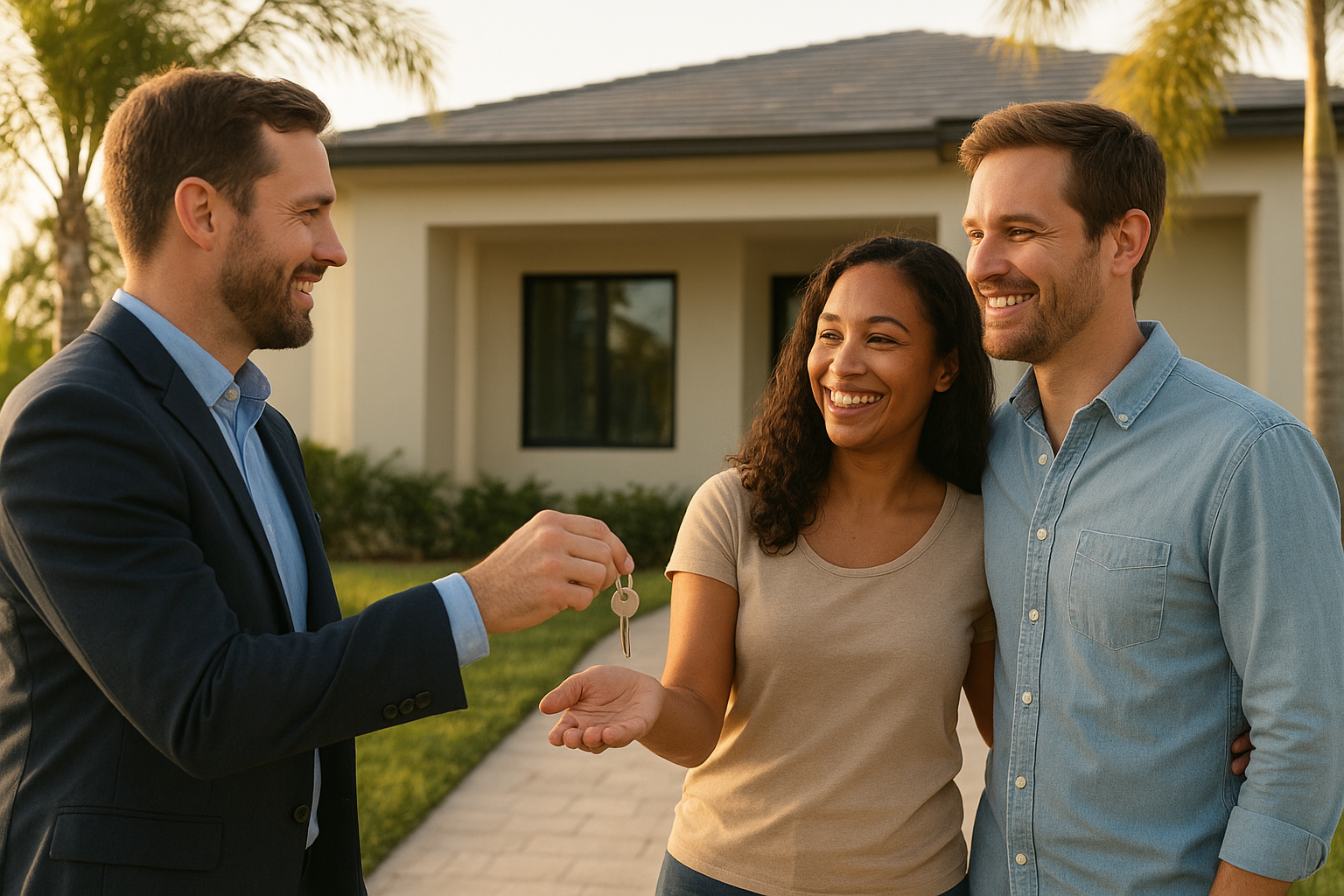
Closing day on a foreclosed property often follows the same final steps as a standard home purchase.
Common Risks With Distressed Properties
Distressed properties can hide risks that are not always obvious from listing photos. For instance, unpaid HOA fees or municipal code violations sometimes attach to the property rather than the previous owner, meaning the new buyer could inherit that balance. Similarly, title issues such as unresolved liens can delay or derail a closing if they are not caught early.
Occupancy is another concern. In some cases, a previous owner or tenant may still be living in the home, which can complicate the timeline for taking possession. Furthermore, auction purchases often limit access to inspections, so buyers accept more uncertainty than they would with a standard bank-owned listing. As a result, careful due diligence matters more with a foreclosure than with almost any other type of purchase.
Financing a Foreclosure Purchase
Financing options for foreclosed homes are broader than many buyers expect. Conventional loans work for properties in reasonably livable condition, while an FHA 203k loan can bundle renovation costs into the mortgage for homes that need significant work. Investors, on the other hand, sometimes rely on hard money loans to close quickly, particularly at auctions where financing contingencies are rarely accepted.
Nevertheless, cash offers remain the most competitive option in many situations. Because bank asset managers prioritize speed and certainty, a strong pre-approval letter can help financed buyers compete even without an all-cash bid. For example, reviewing available inventory such as this listed property can help buyers gauge what financing terms typical sellers in the area expect.
Is Working With SoFlo Group at COMPASS Right for You?
Foreclosed homes for sale can be an excellent fit for buyers who are comfortable with as-is conditions and want to stretch their budget further in South Florida. Above all, the right guidance makes the difference between a smart purchase and a costly mistake. SoFlo Group at COMPASS provides residential and commercial real estate services across Boca Raton, Delray Beach, West Palm Beach, and the surrounding Palm Beach County market, backed by more than 25 years of combined industry experience.
Real Estate Advisor Thomas Kornitzer and the team assist buyers with property searches, negotiation, and transaction guidance from the first showing through closing day. Sellers considering a distressed sale can also request a home valuation to understand pricing before listing. For questions about current foreclosure inventory or a specific property, reach the team at 561.645.9000 or thomas.kornitzer@compass.com, or visit the office at 101 N Federal Hwy Suite 500, Boca Raton, FL 33432.
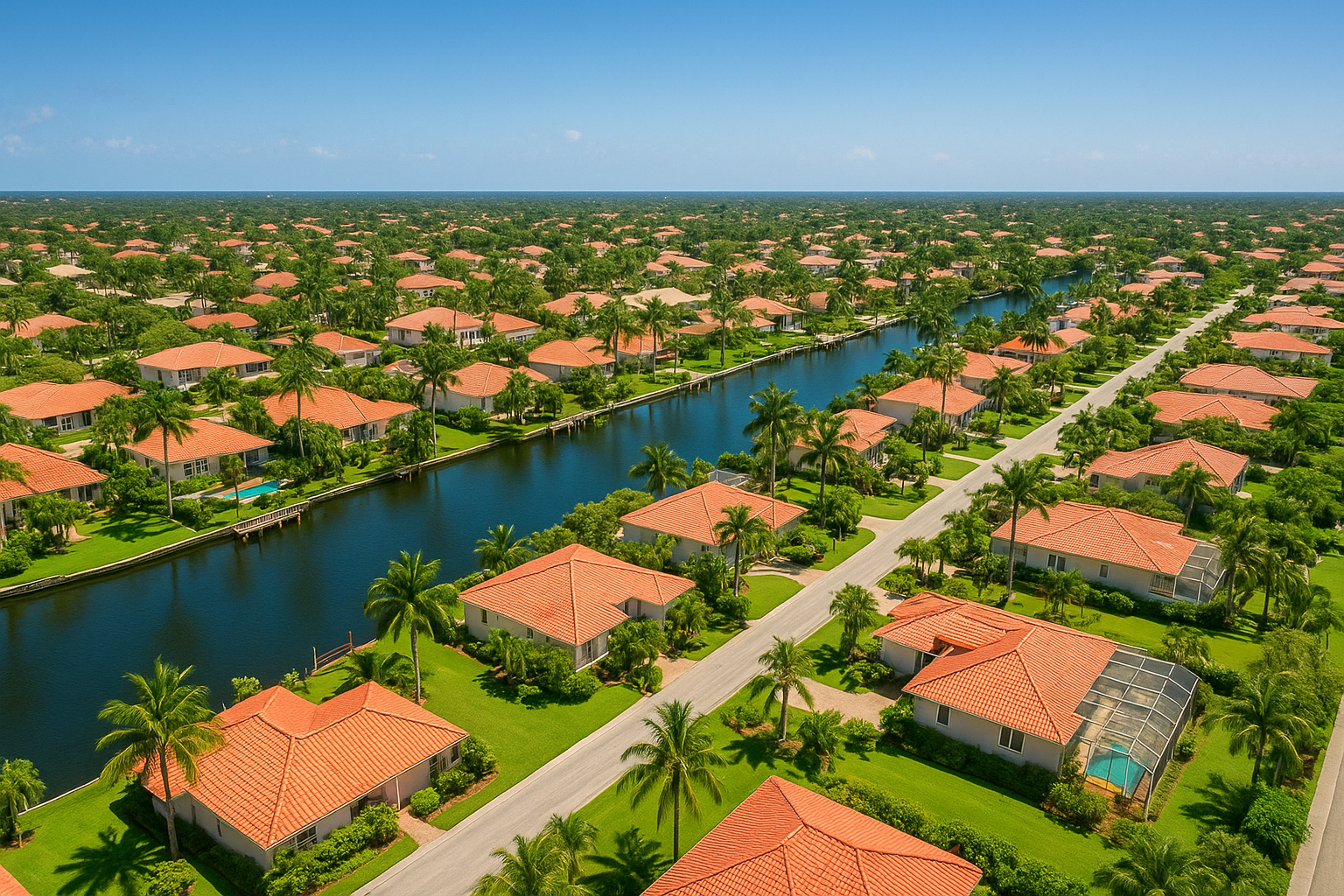
Foreclosed homes for sale appear throughout Palm Beach County, from waterfront canals to inland suburban streets.
Frequently Asked Questions About Foreclosed Homes for Sale
What are foreclosed homes for sale?
Foreclosed homes for sale are properties a lender or government agency repossessed after the previous owner defaulted on their mortgage. They are then resold, often below market value, through bank-owned listings, auctions, or government inventory programs.
How do foreclosed homes differ from short sales?
A short sale happens before foreclosure, when a lender agrees to let an owner sell for less than the mortgage balance. A foreclosed home, by contrast, is already owned by the bank or lender after the process is complete.
How much can I save buying a foreclosed home in South Florida?
Savings vary widely by neighborhood and property condition, but bank-owned homes often list below comparable resale properties to encourage a fast sale. However, repair costs can offset some of that discount, so buyers should budget carefully.
How long does it take to close on a foreclosure property?
Closing timelines typically range from 30 to 60 days once an offer is accepted, similar to a standard sale. The process leading up to the listing, however, can take far longer because Florida requires judicial foreclosure.
What is the biggest mistake buyers make when purchasing bank-owned homes?
Skipping an independent inspection is the most common mistake. Because these properties sell as-is, buyers who assume the price reflects all needed repairs often face costly surprises after closing.
Can I get an inspection before buying a foreclosed home?
Yes, in most cases buyers can and should schedule an independent home inspection during the contract period. Auction purchases sometimes limit inspection access, which is one reason many buyers prefer bank-owned listings instead.
Do I need cash to buy a foreclosure, or can I finance it?
Financing is often possible, including conventional loans and renovation-focused options like FHA 203k loans. That said, cash offers tend to be more competitive, especially at auctions where financing contingencies are rarely accepted.
Are foreclosed homes always sold as-is?
Most bank-owned and auction properties sell as-is, meaning the seller will not make repairs or credits for defects. Buyers should factor renovation costs into their offer price from the start.
What is the difference between a pre-foreclosure and an REO property?
A pre-foreclosure is still owned by the original homeowner, who may sell it to avoid losing the property. An REO, or real estate owned property, has already been repossessed and is owned directly by the lender.
Where can I find foreclosure listings in Palm Beach County?
Buyers can search county clerk auction sites, HUD's home listing portal, and lender programs like Fannie Mae HomePath. Working with a local real estate advisor also gives access to MLS listings not always visible on public sites.
Is it risky to buy a home at a foreclosure auction?
Auctions carry more risk than bank-owned listings because inspections and title research are often limited beforehand. Unresolved liens or unknown occupants can also complicate an auction purchase.
Should first-time buyers consider foreclosed homes for sale?
First-time buyers can benefit from lower entry prices, but they should be prepared for as-is conditions and potential repair costs. Working with an experienced advisor helps first-time buyers avoid common pitfalls.
How do unpaid HOA fees or liens affect a foreclosure purchase?
Unpaid homeowners association fees or municipal liens can sometimes transfer to the new owner depending on the sale type. A title search before closing helps confirm which debts, if any, the buyer will be responsible for.
What's the best way to work with a real estate advisor on a foreclosure purchase?
Choose an advisor familiar with local foreclosure inventory, title issues, and negotiation with bank asset managers. This local expertise, similar to what SoFlo Group at COMPASS provides across South Florida, helps buyers move quickly and confidently.
Final Thoughts
In summary, foreclosed homes for sale can deliver meaningful savings across South Florida, but they demand more careful research than a typical resale purchase. From understanding Florida's judicial foreclosure timeline to inspecting for deferred maintenance and title issues, preparation matters at every step. Ultimately, working with an experienced local advisor helps buyers move confidently, whether the goal is a first home, an investment property, or a relocation. SoFlo Group at COMPASS remains available to help buyers and sellers throughout Palm Beach County evaluate these opportunities and move toward a smooth closing.